Handloom vs Powerloom: How to Spot Authentic Woven Fabrics | EthnicAlive
India’s textile tradition is one of the richest and most diverse in the world. From intricate Ikat patterns to fine cottons and luxurious silks, traditional Indian fabrics tell stories of heritage, community craftsmanship, and regional identity. However, with modern industrial growth, mechanized production has made fabric creation faster and more uniform. Today, everyday shoppers often find themselves standing before two visually similar garments, wondering whether the fabric was crafted by a traditional weaver on a manual loom or mass-produced on a mechanical powerloom.
Understanding the distinction between handloom and powerloom is essential for anyone interested in sustainable fashion, authentic ethnic wear, and preserving traditional craftsmanship. Knowing how to identify handmade textiles allows you to make informed purchasing decisions, support artisan livelihoods, and appreciate the distinct artistry woven into every thread.
What Sets Handloom and Powerloom Apart?
Before diving into practical textile identification techniques, it helps to understand how these two manufacturing methods operate at a fundamental level.
A handloom is a manually operated structure used for weaving cloth. It relies entirely on human energy, coordination, and rhythm. The weaver controls the tension of the threads, the movement of the shuttle carrying the weft yarn, and the beat of the reed. Because human hands and feet drive every movement, hand-woven fabrics inherently possess subtle variations that give each piece its individual character.
A powerloom, on the other hand, is a mechanized loom driven by electricity or steam engines. The movement of the shuttle, warp tension, and thread beating are automated. Powerlooms produce large quantities of fabric at high speeds with flawless consistency. While powerloom fabrics offer uniform consistency at lower prices, they lack the structural breathability, organic feel, and unique individuality of traditional handloom creations.
Step-by-Step Textile Identification: How to Spot Genuine Handloom
Distinguishing authentic hand-woven cloth from mechanized fabric does not require professional laboratory testing. By examining key features of the fabric, you can develop a keen eye for genuine handloom creations using this simple fabric guide.
1. Examine the Selvedge (Fabric Edges)
The selvedge, or the self-finished edge of the fabric, is often the most reliable indicator of how a textile was woven.
Handloom Edges: On a handloom, the shuttle passes back and forth manually across the warp. As a result, the selvedge of a handloom fabric is slightly uneven, softer, and may show small loops or variations where the yarn turns around. It feels natural and unforced.
Powerloom Edges: Mechanized looms operate under high speed and constant mechanical tension. The selvedge on a powerloom fabric is perfectly straight, rigid, and razor-sharp. In many cases, mechanical looms trim or heat-seal the edges, leaving behind tiny uniform pinholes or smooth synthetic selvedges.
2. Look for Thread Irregularities and Slubs
In traditional handloom weaving, human touch creates minor, natural variations throughout the cloth. These are not defects; rather, they are the signatures of handmade art.
Handloom Texture: When you hold a handloom fabric up to the light, you will notice slight variations in thread thickness, occasional tiny knots, or minor shifts in thread density. These natural slubs give hand-woven cloth its signature texture and depth.
Powerloom Texture: Powerloom fabrics are characteristically uniform. Every square inch presents the exact same thread count, density, and alignment without variance. If a fabric looks mathematically flawless across its entire surface, it was almost certainly machine-woven.
3. Inspect the Reverse Side of the Weave
Flipping the fabric over to inspect its underside offers clear clues regarding its construction.
Handloom Details: The back of a hand-woven textile reflects the manual loom process. In patterned fabrics like extra-weft weaves or Ikat, you will see hand-tied thread ends, organic floats, and clear, authentic design reversals that closely mirror the front.
Powerloom Details: Mechanized weaving often leaves neat, uniform, synthetic-looking floats or clean machine tie-offs on the reverse side. In cases where powerloom fabrics try to mimic handloom patterns via roller printing rather than true weaving, the reverse side will look dull or faded compared to the front.
4. Feel the Texture, Weight, and Drape
Your tactile sense is a powerful tool when evaluating woven textiles. Handloom fabrics generally exhibit a softer, airier drape because the warp yarns are held under lower tension during weaving.
Handloom Comfort: Hand-woven cottons and silks are noticeably breathable and comfortable against the skin. The lower thread tension allows tiny air pockets to remain between the threads, creating superior ventilation in warm climates.
Powerloom Density: Powerloom machines pull threads under heavy mechanical tension, compacting the weave tightly. This creates a stiffer, denser fabric that may feel less breathable and slightly heavier compared to a handloom equivalent of the same thread count.
5. Check the Fringes and Finish
Examine how the fabric ends are finished. Artisans crafting handloom textiles frequently leave extra warp threads at the ends of a sari, dupatta, or fabric piece to be hand-twisted into tassels or fringed borders. Powerloom textiles, being produced in long continuous commercial rolls, are typically clean-cut mechanically and stitched or overcast at the hem.
The Cultural Significance and Value of Ethical Clothing
Choosing handloom over powerloom goes far beyond aesthetic preference. It plays a significant role in supporting ethical clothing practices and preserving living heritage.
Handloom weaving is one of the largest decentralized economic activities in rural India, providing sustainable livelihoods to millions of weavers, dyers, winders, and artisan families. By choosing genuine handloom products, consumers help sustain traditional crafts that have been passed down through generations.
Furthermore, handloom is an inherently sustainable fashion choice. Because manual looms operate without electricity, their carbon footprint is remarkably low compared to energy-intensive industrial factories. Embracing handloom textiles aligns with eco-conscious lifestyle values by prioritizing slow fashion, craftsmanship, and long-lasting quality over mass production.
Regional Heritage Highlight: Sambalpuri Ikat of Odisha
Among India’s vast handloom traditions, the weaving clusters of Odisha hold a celebrated place. Renowned for their intricate Bandha or tie-dye technique, Odisha handloom artisans create mesmerizing geometric and nature-inspired motifs direct into the yarn before weaving begins.
In authentic Sambalpuri Ikat handloom, both warp and weft threads are meticulously tie-dyed to precise measurements. When woven on a manual frame loom, the artisan carefully aligns the threads to bring intricate motifs—such as traditional flora, fauna, and geometric patterns—to life. The slight, soft feathering where colors meet at the edges of the design is a hallmark of genuine handloom Ikat, distinguishing it from sharp, flat machine prints.
Featured Traditional Piece: Sambalpuri Ikat
For those looking to incorporate authentic regional handloom into their wardrobe, traditional unstitched ethnic sets offer complete versatility for custom tailoring.
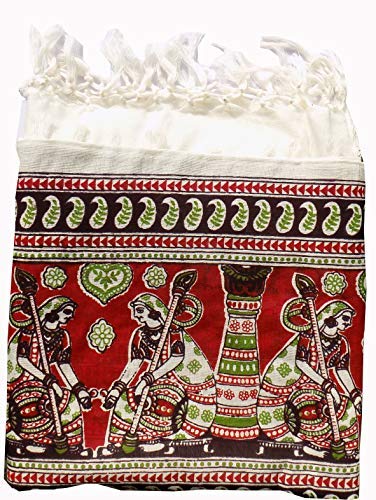
The Handloom Sambalpuri Ikat Kurti Material Odisha Handloom showcases the classical weave heritage of Odisha. Featuring traditional tie-dye Ikat patterns crafted on manual looms, this fabric offers the classic breathability, rich cultural look, and soft hand-woven texture characteristic of authentic regional handloom craftsmanship.
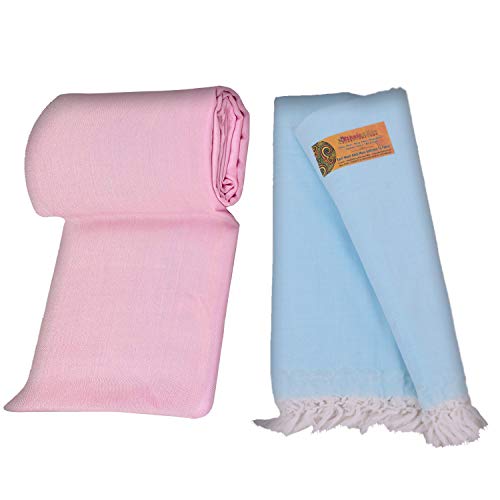
This multipurpose lightweight towel reflects the authentic regional weaving style of Bhagalpur. Made from soft cotton, it offers high absorbency and quick drying properties, making it suitable for hot and humid climates.
The simple checkered design and skin-friendly weave make it a useful accessory for everyday bathing, travel, or outdoor protection against the sun. Its breathable cotton weave ensures long-lasting comfort throughout the day.
Handloom garments are precious handmade items that deserve proper care to maintain their structure, color, and longevity over time.
First Wash: For hand-dyed or natural-dyed handloom fabrics, dry cleaning is recommended for the first wash to set the colors securely.
Hand Washing: Wash handloom garments gently in cold water using a mild, eco-friendly liquid detergent. Avoid harsh scrub brushes or aggressive twisting.
Drying: Always dry handloom textiles in the shade. Direct sunlight can fade natural dyes and weaken delicate hand-spun fibers over time.
Ironing: Iron handloom cottons while slightly damp on medium heat settings to remove creases easily without damaging the weave structure.
Storage: Store your handloom garments in clean, breathable cotton bags in a dry wardrobe away from moisture and direct sunlight.
Frequently Asked Questions
Why is handloom fabric generally more expensive than powerloom fabric?
Handloom fabric requires immense skill, manual labor, and time. An artisan may take several days or weeks to weave a single piece on a manual loom, whereas a powerloom can produce dozens of meters in a few hours. The higher price reflects the labor, craft mastery, and time invested by the weaver.
Are small slubs or thread variations considered fabric defects in handloom?
No, small thread variations, slight unevenness in the selvedge, and minor slubs are natural characteristics of hand-woven fabric. They serve as proof of human craftsmanship rather than industrial perfection.
Is powerloom fabric inherently lower in quality than handloom fabric?
Not necessarily. Powerloom fabrics can be durable and practical for mass production. However, handloom fabrics offer distinct benefits that mechanical looms cannot replicate, including superior breathability, softer drape, unique textural individuality, and low environmental impact.
How can I differentiate between printed Ikat design and true woven Ikat?
True handloom Ikat patterns are woven directly into the fabric using tie-dyed threads, meaning the pattern appears clearly on both the front and back of the cloth with soft, blurred motif edges. Printed imitations are applied only to the surface, leaving the back side noticeably lighter or unpatterned with sharp, artificial lines.
Conclusion
Learning how to spot the difference between handloom and powerloom fabrics empowers you to become a conscious consumer and an appreciator of fine textile heritage. By observing the selvedge, feeling the texture, inspecting the weave irregularities, and checking thread details, you can easily identify authentic hand-woven textiles.
Choosing handloom means choosing sustainable fashion, supporting traditional artisan communities, and wearing a piece of living cultural history. As you build your ethnic wardrobe, look for the unique signs of manual weaving—they represent the skill, patience, and artistic soul of the weaver.
EthnicAlive may earn a commission from qualifying purchases made through links on this page.