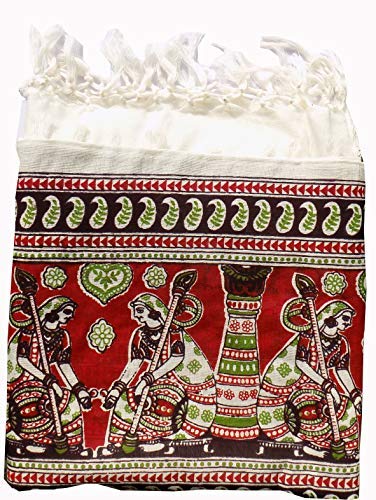

Buying a traditional textile is not only about choosing a beautiful design. When you purchase a genuine handloom fabric, you may also be supporting a weaving tradition, regional craftsmanship, and the livelihood of Indian weavers. But with handloom and powerloom fabrics sometimes looking very similar, how can a buyer identify authentic handwoven fabric?
Whether you are shopping for a handloom saree, chadar, dupatta, shawl, dress material, silk fabric, or other traditional Indian textile, a few simple checks can help you make a more informed choice.
What Is Handloom Fabric?
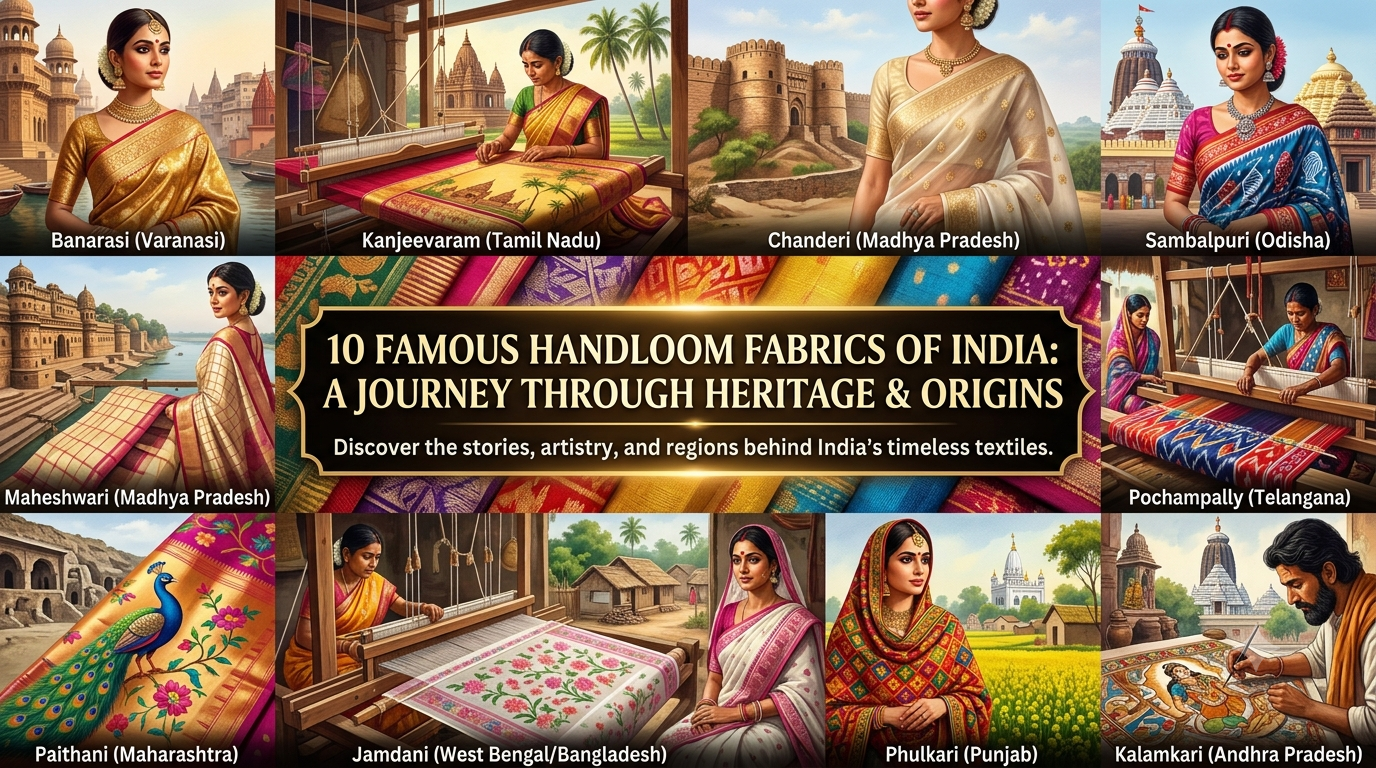
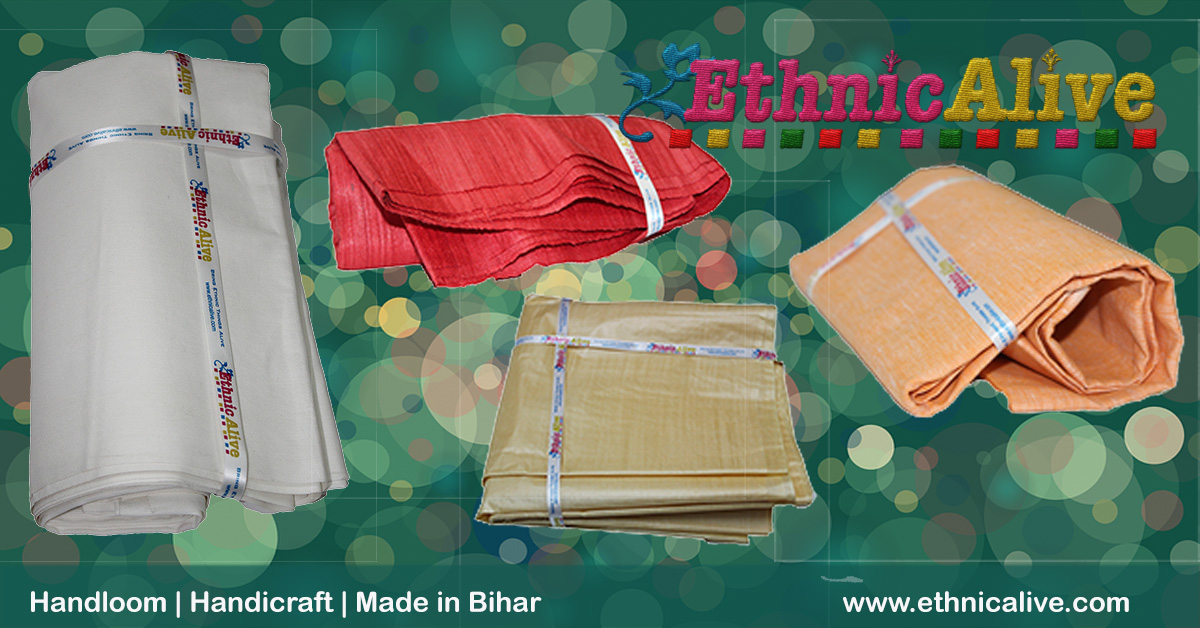
Handloom fabric is produced on a loom operated manually by a weaver. The weaving process requires skill, time, and knowledge passed through generations. India’s regional textiles—from Odisha Ikat and Bengal Jamdani to Bhagalpuri silk and traditional cotton weaving—have distinctive techniques and designs.
Unlike factory-made fabrics, authentic handwoven textiles can show small variations created during the weaving process. These variations are not necessarily defects; they can be characteristics of handmade production.
1. Look Closely at the Weaving Pattern
One of the first ways to check a textile is to examine its weave closely.
In genuine handwoven fabric, you may notice slight variations in:
- Thread spacing
- Motif alignment
- Yarn thickness
- Weave density
- Surface texture
- Repeated patterns
A completely uniform appearance does not automatically mean that a fabric is powerloom-made, because modern weaving technology can produce high-quality textiles. Therefore, the weave should be considered together with other characteristics rather than used as the only test.
2. Check the Selvedge
The selvedge, or finished edge of a fabric, can provide useful clues about how it was woven.
Look at the long edges of the textile and check how the threads are finished. Traditional handloom fabrics may have distinctive selvedge structures depending on the weaving technique and region.
However, selvedge appearance alone cannot prove that a fabric is handloom. Different looms and weaving techniques create different edge finishes, so it is better to use this check alongside the texture, pattern, labeling, and seller information.
3. Notice Natural Yarn Irregularities
Handwoven fabric may contain tiny variations in yarn thickness or tension. You might see a slightly uneven thread, a small variation in the weave, or minor differences between repeated motifs.
These characteristics can occur because the fabric is being produced by a skilled artisan rather than by a completely automated process.
However, remember that irregularity is not proof of authenticity. Artificially manufactured fabrics can also be textured or irregular. Treat it as one clue rather than a guarantee.
4. Feel the Texture
Texture can tell you a lot about a textile.
Run your fingers gently across the fabric. A handwoven textile may have a distinctive combination of softness, firmness, thickness, and texture depending on the yarn and weaving technique.
For example, traditional cotton, silk, khadi, Ikat, Jamdani, and other regional textiles can all feel very different.
Instead of expecting every handloom fabric to feel the same, learn about the particular textile you are buying.
5. Examine the Motifs and Design
Traditional Indian handlooms often have distinctive regional designs.
For example:
- Sambalpuri Ikat is associated with Odisha’s resist-dyeing and weaving traditions.
- Jamdani is known for intricate decorative motifs woven into the fabric.
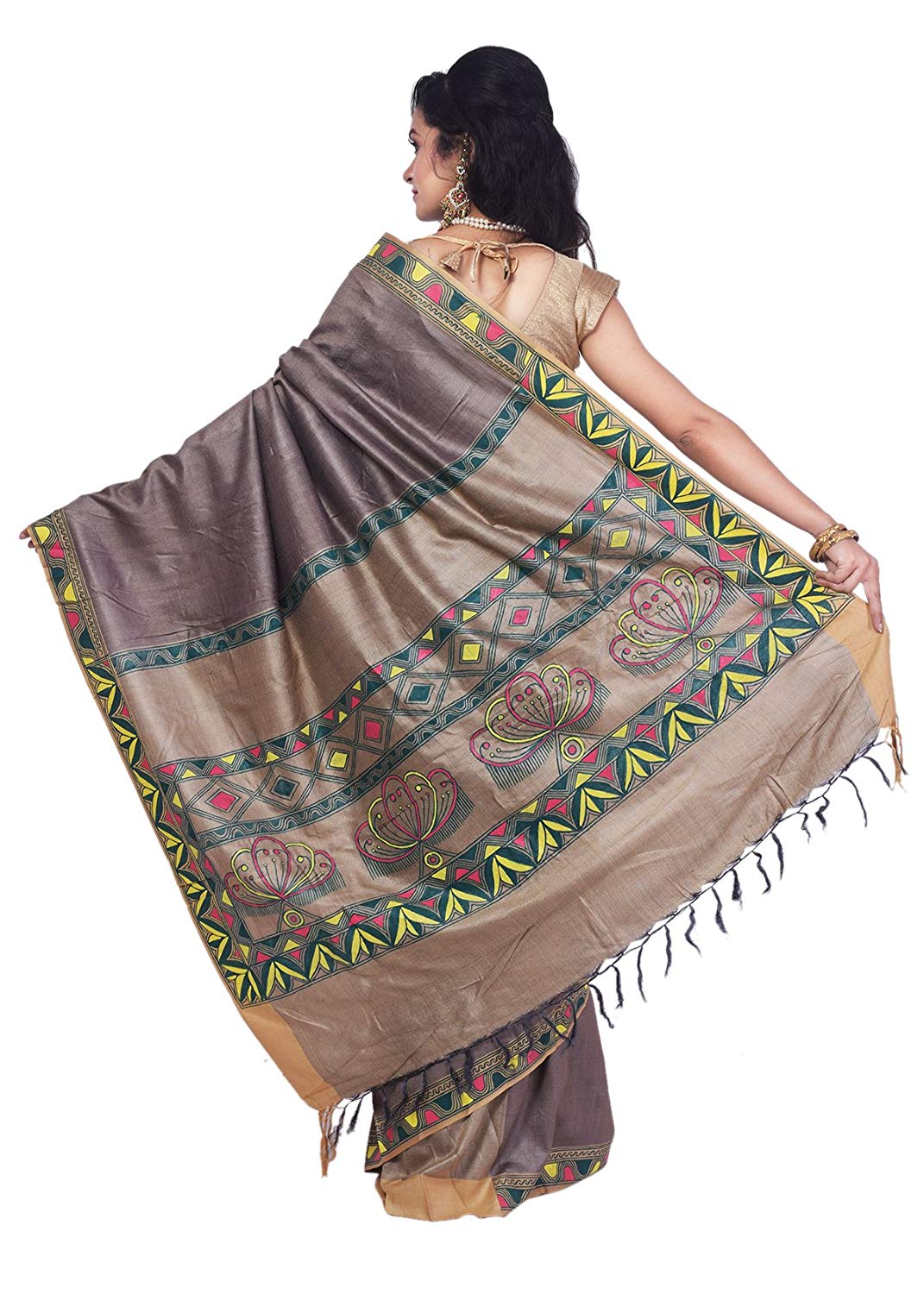
- Bhagalpuri silk is associated with the textile heritage of Bhagalpur in Bihar.
- Khadi has its own distinctive hand-spun and handwoven tradition.
If a seller claims that a textile belongs to a particular regional tradition, research the characteristic motifs and weaving techniques of that region.
Example: Sambalpuri Handloom
A product marketed as Odisha handloom can be a useful example of how regional identity is communicated through textile design.
Product: Sambalpuri Cotton Dress Material for Women | Tipa Dali Ikat Design Unstitched Pure Cotton Fabric | Odisha Handloom | Handloom Sambalpuri Ikat Kurti Material

6. Look for Handloom Identification and Labeling
When buying an expensive textile, especially silk or a premium saree, check the product description, labeling, and certification information carefully.
The Handloom Mark is an important identification system associated with handwoven products in India. Buyers should check whether the product carries appropriate labeling and whether the seller provides information about the textile’s origin.
Do not rely solely on words such as “traditional,” “ethnic,” “artisan,” or “handcrafted” in a product title. Read the complete description and look for specific information about:
- Weaving method
- Place of origin
- Fabric composition
- Artisan or weaving community
- Handloom certification or labeling
- Type of yarn
- Dyeing technique
7. Ask About the Weaver and Region
A genuine handloom product should ideally have a traceable story.
Ask questions such as:
Where was it woven?
Which weaving tradition does it belong to?
What type of yarn was used?
Was it woven by hand?
Which artisan group or weaving community produced it?
A knowledgeable seller should be able to provide useful information about the textile.
This is particularly important when buying regional textiles such as Bhagalpuri handloom, Bhagalpur silk, Sambalpuri textiles, Jamdani, Chanderi, Kanchipuram, Banarasi, or other traditional Indian fabrics.
8. Understand Handloom vs Powerloom
The difference between handloom and powerloom is primarily related to the method of weaving.
A handloom is manually operated by the weaver, while a powerloom uses mechanical or powered operation.
Both can produce attractive and high-quality textiles, but they represent different production methods.
A powerloom imitation may reproduce the visual appearance of a traditional handloom design at a lower cost. Therefore, buyers should not assume that a traditional-looking motif automatically means that the textile is handwoven.
9. Check the Price Carefully
Price can provide a clue, but it should never be used as the only test.
Authentic handloom textiles can require considerable time and skill to produce. Intricate designs, natural silk, detailed weaving, complex motifs, and skilled craftsmanship can increase the price.
At the same time, a high price does not automatically guarantee authenticity.
Instead of asking only, “Is this expensive enough to be genuine?”, ask:
“Can the seller explain why this textile is priced this way?”
Look for information about the material, weaving technique, region, craftsmanship, and production process.
10. Check the Fabric Composition
Always read the material description.
Terms such as:
- Pure cotton
- Pure silk
- Raw silk
- Cotton-silk
- Viscose
- Polyester
- Art silk
- Blended fabric
describe different materials.
A fabric can be handwoven while still containing a particular type of yarn or blend, so handloom and fibre composition are not the same thing.
For example, a silk handloom fabric should not automatically be assumed to be pure silk simply because it is described as handloom.
Example: Handloom Silk Fabric
Product: 100% Pure Natural Raw Silk Dupion Handloom Fabric, Multiple Colors Available

Always check the complete product specification before purchasing.
11. Look for Regional Textile Knowledge
Learning a little about India’s textile traditions can make shopping easier.
For instance, if you are interested in Bhagalpuri handloom, learn about the weaving traditions of Bhagalpur and the characteristics associated with its silk and other textiles.
Similarly, someone purchasing Jamdani can learn about its motifs and weaving process, while a buyer interested in Sambalpuri textiles can learn about Odisha’s Ikat tradition.
This approach helps you recognize genuine regional identity instead of relying entirely on generic words such as “ethnic” or “designer.”
12. Be Careful With “Handmade” Claims
“Handmade” and “handloom” are not always interchangeable terms.
A product may contain handmade decorative work while the underlying fabric was produced using a machine. Similarly, a textile may be handwoven but finished using modern processes.
Before buying, identify exactly which part of the product is handmade and which part is machine-produced.
This is particularly important for sarees, dupattas, shawls, dress materials, bags, home textiles, and decorative fabrics.
13. Buying Handloom Online
Online shopping makes regional Indian textiles accessible to buyers across the country, but it also makes product descriptions especially important.
Before placing an order:
- Read the complete fabric description.
- Check the fibre composition.
- Look for information about the weaving method.
- Check the region or weaving cluster.
- Examine product photographs carefully.
- Read customer reviews.
- Check the seller’s information.
- Look for handloom-related labeling or certification where applicable.
- Compare the description with the actual product photographs.
- Avoid making a decision based only on a low price or attractive photograph.
Example: Dhakai Jamdani Textile
Product: DURGA HANDLOOMS Dhakai Jamdani Unstitched Cotton Kurti with Dupatta

Why Buying Genuine Handloom Matters
Choosing authentic handloom products can help preserve traditional weaving knowledge and maintain demand for regional textile craftsmanship.
India has numerous weaving communities with specialized techniques, motifs, yarns, and traditions. When buyers understand the difference between a genuine handwoven textile and a machine-made imitation, they can make purchasing decisions based on better information.
For regions such as Bhagalpur, textile traditions are closely connected with local cultural and economic heritage. Supporting genuine products can help keep attention on the artisans, weavers, and communities behind these traditions.
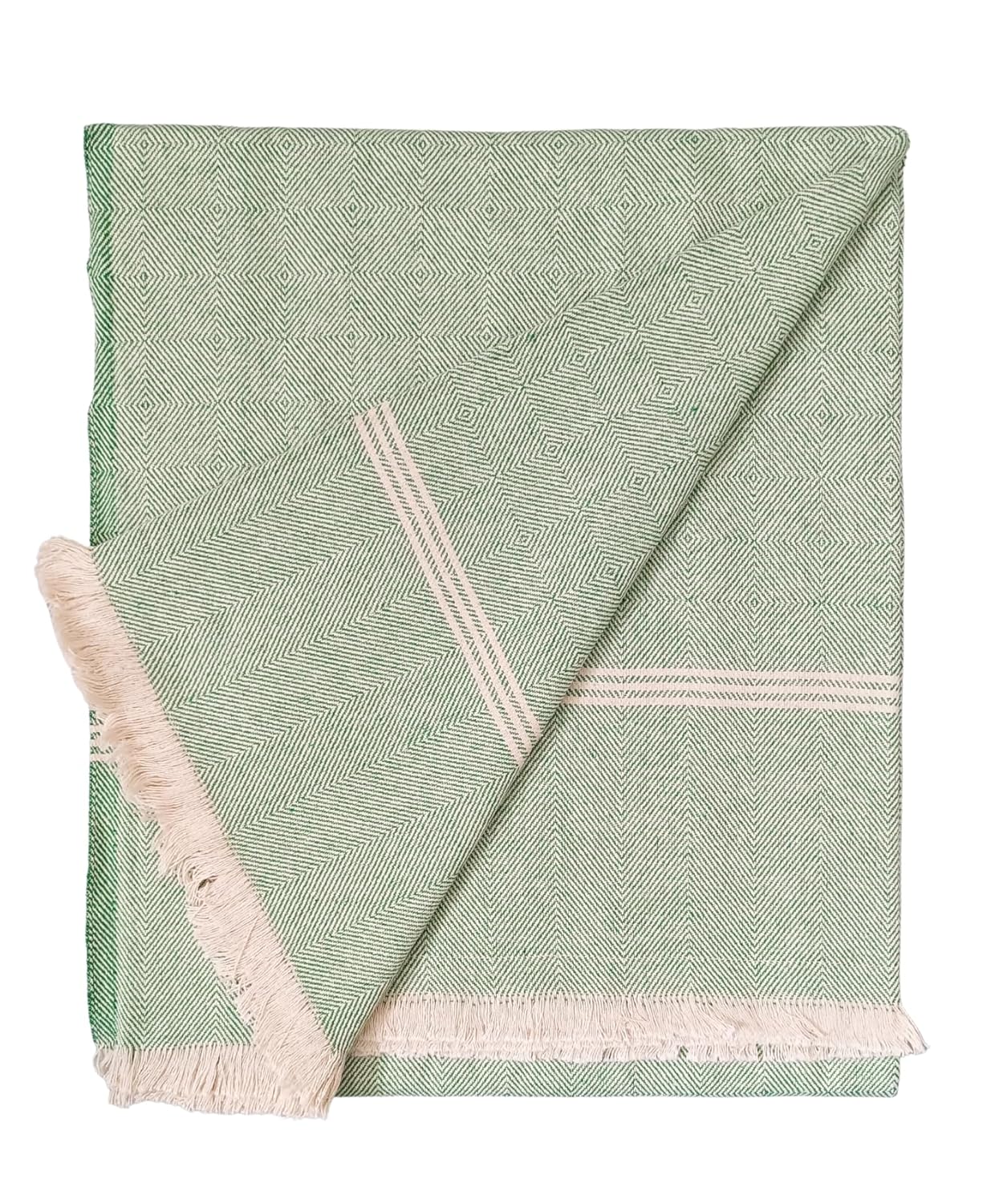
A Quick Handloom Fabric Checklist
Before buying, ask yourself:
✓ Is the weaving method clearly mentioned?
✓ Is the fabric composition specified?
✓ Is the region or weaving cluster identified?
✓ Have I examined the weave and selvedge?
✓ Are there natural variations in the fabric?
✓ Does the seller provide useful artisan or weaving information?
✓ Is there appropriate labeling or certification information?
✓ Does the price make sense for the material and craftsmanship?
✓ Have I checked customer reviews and seller information?
No single visual test can guarantee that a fabric is handwoven. The most reliable approach is to combine several clues and purchase from sellers who provide transparent information about the textile.
Final Thoughts
Identifying a genuine handloom fabric requires a little observation and knowledge. Look at the weave, texture, selvedge, yarn, motifs, labeling, material composition, and information about the region and artisans.
Whether you are buying a handloom saree, handloom chadar, silk fabric, dupatta, shawl, or traditional cotton textile, remember that the story behind the fabric is as important as its appearance.
From Bhagalpuri silk and Indian handloom chadars to Sambalpuri Ikat and Jamdani, India’s textile heritage is remarkably diverse. Learning how these fabrics are made allows buyers to appreciate not just the finished product, but also the skill and cultural traditions behind it.
Affiliate Disclosure
Some product links in this article are affiliate links. If you purchase a product through an affiliate link, EthnicAlive may earn a small commission at no additional cost to you. Product information, prices, availability, and specifications may change, so please verify the details on the product page before purchasing.