
The Ultimate State-Wise Guide to Indian Handloom Sarees: Celebrating India’s Rich Textile Heritage
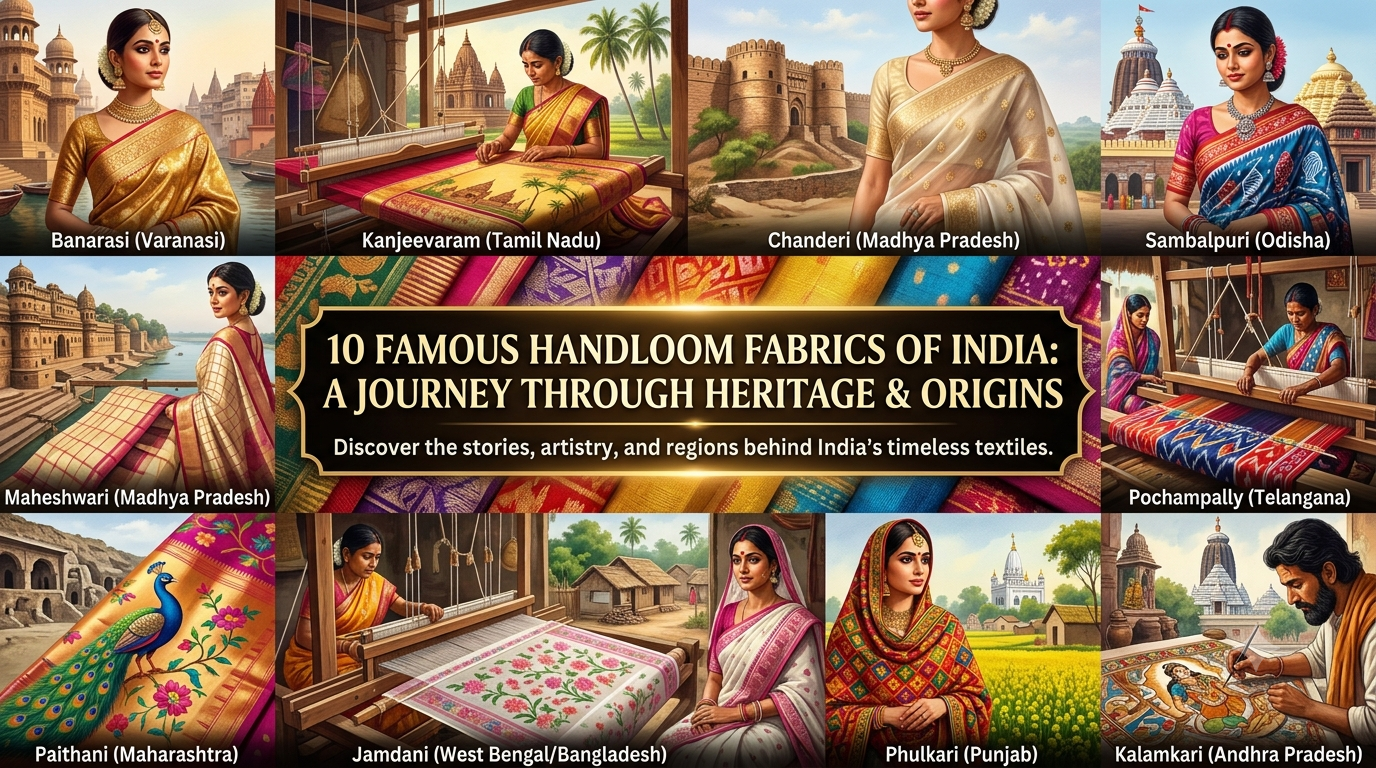
India’s textile tradition is an intricate tapestry woven from history, culture, geographical diversity, and centuries of artisan craftsmanship. Across every region of the subcontinent, handwoven fabrics tell stories of royal patronage, local folklore, and sacred rituals. Among these craft traditions, Indian handloom sarees remain an enduring symbol of grace, heritage, and timeless style. From the shimmering silk drapes of the south to the intricate tie-dye weaves of the east, each state offers a unique narrative reflected through motif, technique, and yarn.
Understanding the vast world of handloom textiles can feel overwhelming for enthusiasts and collectors alike. This comprehensive state wise handloom guide takes you on a cultural journey across Northern, Southern, Eastern, Western, and Central India. By exploring traditional Indian sarees through their regional roots, we honor the legacy of artisan handlooms and the skilled weavers who keep these historic crafts alive today.
Southern India: Sacred Silk and Majestic Borders
Southern India is renowned worldwide for its lustrous silk weaves, heavy zari work, and deeply rooted temple traditions. States like Tamil Nadu, Andhra Pradesh, Karnataka, and Kerala have nurtured weaving communities for generations, producing some of the most sought-after regional fashion in the country.
Tamil Nadu and the Legacy of Kanjeevaram Silk
Originating from the temple town of Kanchipuram, Kanjeevaram silk sarees are celebrated for their structural strength, rich luster, and distinctive contrasting borders. Traditional Kanchipuram weaves are created using mulberry silk threads paired with metallic zari. The body and border are often woven separately and then joined together in a technique known as Korvai, creating an unbreakable bond that reflects the longevity of the drape.
For those looking to add a classic Kanchipuram weave to their traditional collection, handloom silk options highlight the intricate craftsmanship of Tamil Nadu weavers.

Traditional Kanjivaram Pure Handloom Silk Saree, Pink with Gold Floral Zari Weave and Dark Green Border
This traditional drape features a pink body complemented by a dark green border. The weave showcases gold floral zari work throughout the saree, illustrating the classic aesthetic that defines traditional Kanjeevaram weaving from the region.
Northern & Central India: Royal Opulence and Delicate Weaves
The weaving hubs of Northern and Central India historically flourished under royal court patronage. The styles developed in states like Uttar Pradesh and Madhya Pradesh emphasize intricate motifs, golden threads, and lightweight transparent textures suitable for festive celebrations and royal gatherings.
Uttar Pradesh: The Grandeur of Banarasi Brocade
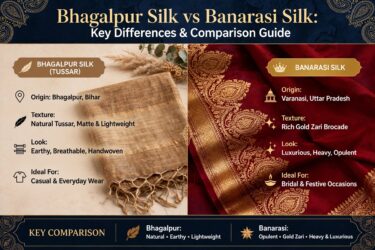
Varanasi, situated along the banks of the Ganges, is home to the world-famous Banarasi brocade. Influenced by Mughal art and architecture, Banarasi sarees are distinguished by complex floral motifs (Kalga and Bel), fine silk yarn, and heavy woven detail created using Jacquard or traditional drawloom techniques. These sarees remain a cornerstone of Indian bridal wear and ceremonial wardrobes.

Banarasi Satin Silk Woven Saree with Heavy Jacquard Work, Elegant Design with Matching Lace Border Unstitched Blouse Piece for Weddings & Festive Occasions
Designed for festive occasions and weddings, this saree displays rich woven Jacquard patterns across a satin silk fabric. It incorporates an elegant design complete with a matching lace border and an unstitched blouse piece.
Madhya Pradesh: The Delicate Airiness of Chanderi
In Central India, the town of Chanderi produces the famous Chanderi saree. Known for its lightweight sheer texture and soft shine, Chanderi weaving traditionally combines silk and fine cotton yarn with delicate zari work depicting motifs like peacocks, lotus flowers, and geometric patterns. It stands as an exceptional choice for modern daytime festivities and cultural events.
Eastern India: Earthy Textures and Precision Resistance
Eastern India brings a deeply grounded, earth-conscious ethos to handloom textiles. Bihar, Odisha, and West Bengal are celebrated for wild silks, resist-dyeing precision, and hand-spun cotton yarns that reflect local natural beauty.
Bihar: The Natural Rustic Appeal of Bhagalpuri Tussar
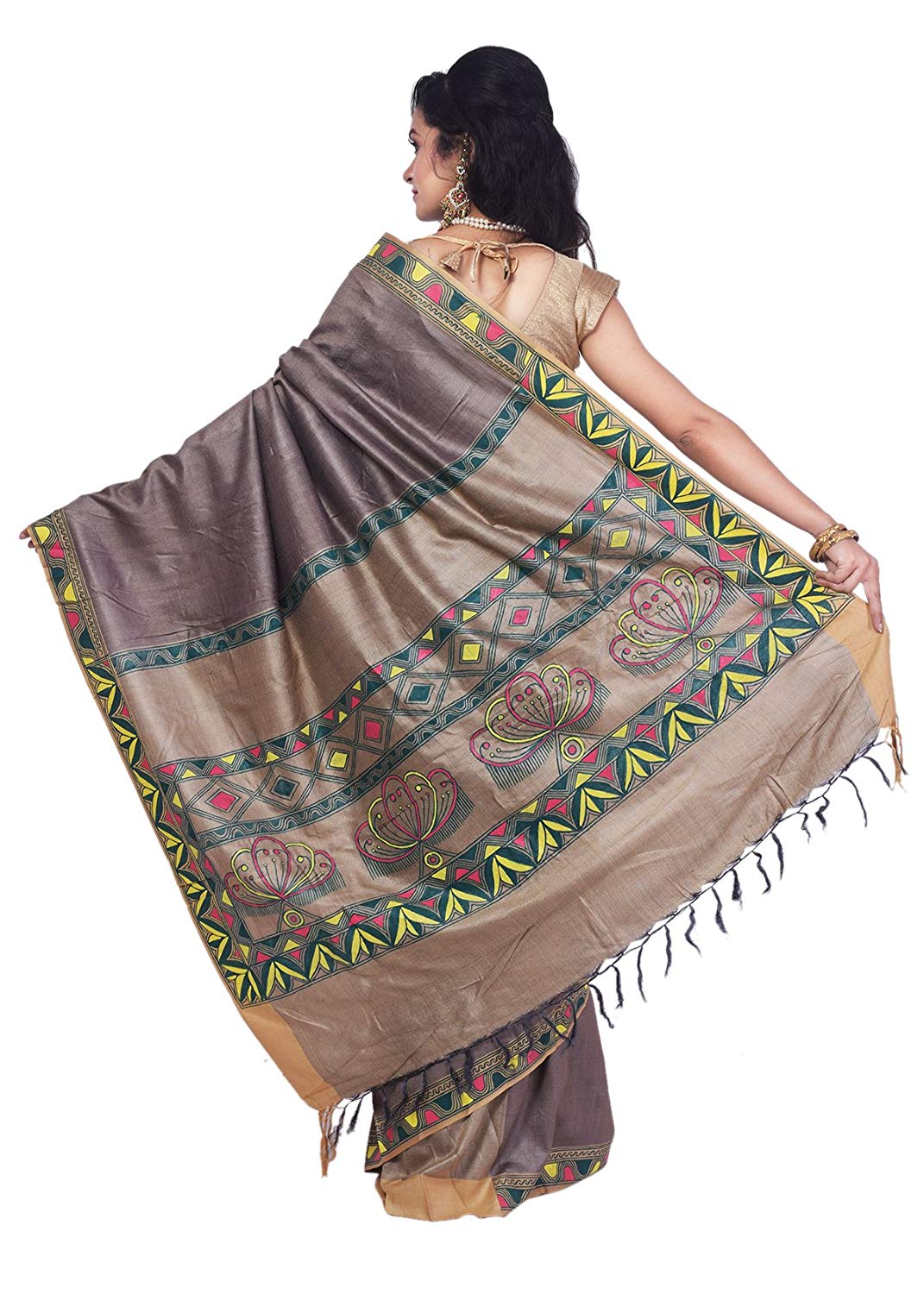
Bhagalpur, known as the “Silk City” of Bihar, specializes in wild silk cultivation and weaving. Bhagalpuri Tussar silk is prized for its rich textured feel, natural beige-gold tone, and breathable nature. Often combined with Ghicha silk yarns, these drapes offer an artistic, rustic charm suitable for both formal gatherings and everyday cultural wear.
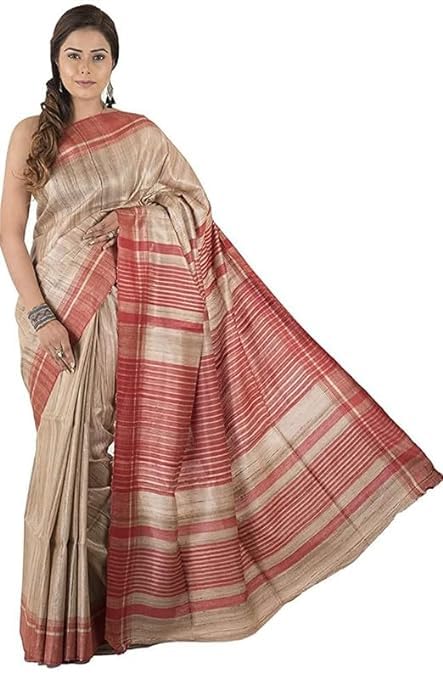
Bhagalpuri Women’s Pure Khadi Silk Handmade Yarn Tussar Silk And Ghicha Silk Saree With Running Strips Blouse
This traditional Eastern weave combines pure handmade yarn, Tussar silk, and Ghicha silk into a cohesive textured saree. Featuring a Khadi silk finish, it comes with a matching running stripes blouse piece that highlights the raw beauty of natural Indian yarns.
Odisha: Masterful Precision of Sambalpuri Ikat
Odisha’s handloom tradition is centered around the intricate tie-and-dye method known as Bandha or Ikat. A classic Sambalpuri Ikat saree requires artisans to tie and dye warp and weft threads before weaving them together on the loom, creating soft-edged geometric, floral, or traditional motifs like the fish (matsya) and shell (shankha). Handwoven cotton Khandua sarees from this region carry deep cultural significance linked to religious rituals and local heritage.

Odisha Sambalpuri Handloom Ikat Women’s Cotton Saree, Odisha Handloom Handmade Pure Cotton Khandua Saree, Ikkat Orissa Traditional Handloom Saree Without Blouse
Handmade using pure cotton yarns, this traditional Odisha handloom Khandua saree highlights regional Ikat technique. Presented without a blouse piece, it reflects the authentic craftsmanship and breathable drape characteristic of Sambalpuri cotton weaving.
Western India: Vibrant Palette and Tapestry Weaves
The western state of Maharashtra features historical weaving traditions that emphasize vivid color combinations and tapestry-like motifs along borders and pallus.
Maharashtra: The Royal Elegance of Paithani Silk
Originating in the town of Paithan, Paithani silk sarees are recognized for their obliquely woven pallu motifs, featuring peacocks (mor), parrots (popat), and lotus flowers. Handcrafted using fine silk yarn and gold zari, Paithani sarees exhibit a tapestry weaving technique where threads are interwoven without leaving loose strands at the back, giving the pallu a identical appearance on both sides.

Varkala Silk Sarees Women’s Paithani Soft Silk Kadiyal Maharani Saree With unstitched Blouse Piece | Traditional Stylish Saree | Gifting for Women | Indian look
Shop on Amazon


Handloom Comparison Across Regions
To help you navigate these regional treasures, here is a helpful comparison of signature weaves, materials, and key characteristics across India:
| Region | State | Signature Weave | Primary Material | Key Feature |
|---|---|---|---|---|
| South | Tamil Nadu | Kanjeevaram | Mulberry Silk & Zari | Korvai joint borders, dense silk feel |
| North | Uttar Pradesh | Banarasi | Satin Silk, Georgette, Organza | Heavy Jacquard work, Mughal floral motifs |
| East | Bihar | Bhagalpuri Tussar | Tussar & Ghicha Silk | Textured weave, natural earthy tone |
| East | Odisha | Sambalpuri Ikat | Pure Cotton / Silk | Resist-dyed yarns forming geometric patterns |
| Central | Madhya Pradesh | Chanderi | Cotton-Silk Blend | Sheer, lightweight drape with zari motifs |
| West | Maharashtra | Paithani | Pure Silk & Zari | Tapestry woven pallu with peacock motifs |
Modern Styling and Care Guide for Authentic Indian Weaves
Incorporating handwoven ethnic wear into a modern wardrobe allows for creative expression while honoring traditional roots. Here are practical ways to style and maintain your handloom collection:
- Modern Draping Techniques: Pair structured weaves like Tussar silk or cotton Ikat with contemporary crop tops, turtlenecks, or tailored jackets for an updated look suitable for artistic or professional environments.
- Occasion Matching: Rich silk weaves like Kanjeevaram and Banarasi are suited for weddings, religious ceremonies, and formal celebrations. Lighter cotton weaves like Sambalpuri or airy Chanderi offer ideal comfort for casual gatherings, summer events, and everyday cultural wear.
- Storage and Preservation: Always store pure silk sarees wrapped in clean, unbleached cotton or muslin cloth to allow the fibers to breathe. Avoid hanging heavy silk sarees for extended periods on thin wire hangers, as this can strain the weave along the shoulders.
- Cleaning Practices: Dry cleaning is recommended for rich zari and pure silk sarees. Cotton handloom sarees should be hand-washed gently in cold water using mild, eco-friendly detergents to preserve yarn strength and dye vibrancy.
Supporting Loom Artisans and Preserving Cultural Identity
Choosing authentic Indian weaves directly supports rural artisan communities and helps sustain centuries-old eco-friendly production practices. Handloom weaving is a zero-carbon footprint craft that relies on human skill, patience, and artistic heritage. By investing in regional handloom sarees, you become an active custodian of India’s living cultural legacy, ensuring that future generations continue to cherish these irreplaceable textile traditions.
Frequently Asked Questions
1. What is the difference between handloom and powerloom sarees?
Handloom sarees are woven manually on foot-pedaled or hand-operated looms, resulting in soft structural variations, natural yarn texture, and human artistry. Powerloom sarees are machine-manufactured in bulk, featuring uniform perfection without the subtle organic character of hand-spun yarn or hand-guided weaving techniques.
2. How can I verify if a saree is authentic handloom?
Authentic handloom sarees often exhibit small irregularities in the weave, which signify manual thread placement. You can also look for official quality certifications like the Handloom Mark or Silk Mark provided by regional textile boards.
3. Which handloom saree is best for daily wear?
Breathable cotton handloom sarees, such as Odisha’s Sambalpuri Ikat or Bengal cottons, are excellent for daily wear due to their softness, durability, and comfort in warm climates.
4. Why are Kanjeevaram and Banarasi sarees considered investments?
Kanjeevaram and Banarasi sarees utilize high-quality mulberry silk yarn woven with real metallic zari. Their intricate labor-intensive weaving process, artistic value, and exceptional durability allow them to be passed down through generations as cherished family heirlooms.
Conclusion
From the temple borders of Tamil Nadu to the intricate tie-and-dye patterns of Odisha, the universe of Indian handloom sarees is as diverse as the country itself. Exploring regional textiles offers a doorway into local lifestyle traditions, artistic heritage, and sustainable fashion. Whether you are building a bridal trousseau or choosing an effortless cotton drape for everyday wear, adopting authentic handlooms ensures that India’s rich craft heritage continues to thrive vibrant and alive.
EthnicAlive may earn a commission from qualifying purchases made through affiliate links on this page.