
What Makes Bhagalpur Silk So Special? A Journey Through Its History and Craft
Across the quiet weaver settlements along the banks of the sacred Ganges River in Bihar, the steady rhythm of handlooms has resonated for generations. This rhythm belongs to the ancient craft of Bhagalpur silk weaving, an art form that has turned the town of Bhagalpur into India’s celebrated “Silk City.” Renowned for its rich tactile texture, organic slubs, and muted, graceful luster, Bhagalpur silk stands out among the vast galaxy of Indian handloom traditions.
Far removed from the high sheen of fine mulberry silks, Bhagalpuri silk offers a uniquely rustic charm. It carries the signature of human hands, capturing the patience of artisan weavers, the resilience of local silk farming traditions, and the cultural memory of regional Bihar. From classic drapes like the Bhagalpuri silk saree to lightweight everyday wraps like the iconic Bhagalpuri dull chadar, this traditional Indian textile continues to bridge the gap between historic craftsmanship and contemporary fashion.
Historical Roots of Bhagalpur Silk
The story of Bhagalpur silk history is deeply intertwined with the geography and economic heritage of eastern India. Bihar traditional textiles have flourished for centuries, influenced by trade routes along the Gangetic plains and the region’s abundant natural bio-diversity, which supported wild silk cultivation.
Historically, Bhagalpur emerged as a prominent hub for wild silk varieties, most notably Tussar silk (also known as Katiya silk). Unlike cultivated mulberry silk, wild silk relies on silkworms native to the local forests. Generations of rural communities and weaver families perfected the art of gathering cocoons, extracting spun threads, and setting up traditional handlooms right inside their homes.
Over the decades, the skill of the local weaver community turned Bhagalpur handloom into a major export and trade highlight. The craft survived shifting economic tides and changing garment tastes by adapting its weaves while preserving the essential raw, textured character that collectors and textile lovers cherish worldwide.
The Craft of Weaving: From Cocoon to Kargha
Understanding Bhagalpur silk weaving requires looking closely at the artisan weaving process. The creation of Bhagalpuri fabric is fundamentally artisanal, relying heavily on manual skill, patience, and inherited knowledge passed down through weaver lineages.
- Cocoon Harvesting & Thread Extraction: Wild Tussar cocoons are collected and processed. Depending on the reeling technique, the silk fibers produce varying thicknesses, which creates the distinctive textured appearance of Bhagalpur yarn.
- Spinning and Dyeing: Threads are hand-spun on traditional spinning wheels. Dyes are often carefully selected to enhance the natural earthy beige, honey, and off-white tones of wild silk, though vibrant modern shades are also widely crafted today.
- Setting up the Kargha (Handloom): Weaver households align the warp and weft on wooden handlooms. The balance of tension, hand movement, and shuttle throwing determines the weave structure and density.
- Finishing: The woven textile is washed and processed using traditional techniques, resulting in a fabric that feels soft, breathable, and comfortably structured.
Because much of the process is done manually on handlooms, small variations in thread thickness—known as slubs—are naturally present. Rather than being viewed as flaws, these organic irregularities are the hallmark of authentic handloom silk weaving in Bihar.
Distinctive Features of Bhagalpuri Silk
What truly sets Bhagalpuri silk apart from other Indian silk varieties? Its distinct personality lies in its visual and physical properties, making it highly valued for both ornamental and practical everyday textiles.
| Characteristic | Description |
|---|---|
| Texture & Grain | Features natural slubs, giving the fabric a characterful, gently coarse texture rather than a slippery, glass-like finish. |
| Luster | Exhibits a subtle, soft sheen that reflects light gracefully without being overly reflective or glossy. |
| Breathability | Due to the structure of wild silk fibers and handloom weaves, the fabric breathes exceptionally well across seasons. |
| Drape | Holds a structured drape that stays neatly in place, making it practical for long wear. |
| Earthy Palette | Complements natural vegetable dyes, earthy neutral shades, and muted pastels alongside modern bold colors. |
Traditional Products Made from Bhagalpuri Handloom
The versatility of Bhagalpur handloom products extends across diverse wardrobe items and home textiles. The natural thermoregulatory quality of wild silk makes it comfortable to wear in tropical climates while providing light warmth during cooler periods.
Key traditional items include:
- Bhagalpuri Silk Sarees: Classic six-yard drapes decorated with block prints, geometric handloom borders, or simple solid weaves. They are known for easy draping and understated elegance.
- Dupattas and Shawls: Textured accent pieces that add a touch of regional Indian textiles to ethnic suits and contemporary kurtas.
- Bhagalpuri Chadars: Light, breathable wraps made using traditional weaving blends. The famous Bhagalpuri dull chadar is a staple household product across northern and eastern India, cherished for its year-round comfort.
- Gamchas and Stoles: Lightweight utilitarian fabrics woven with cotton and silk blends that absorb moisture quickly while remaining soft against the skin.
- Running Fabrics: Versatile Bhagalpuri fabric lengths utilized by designers and tailor shops to stitch shirts, jackets, kurtas, and home decor elements.
Featured Bhagalpuri Handloom Products
To experience the craft firsthand, exploring regional textiles offers a deeper connection to Bihar’s artisan communities. Here are featured handloom options reflecting the tradition and weave structure of Bhagalpur.
Bhagalpuri silk & Handloom Fabric

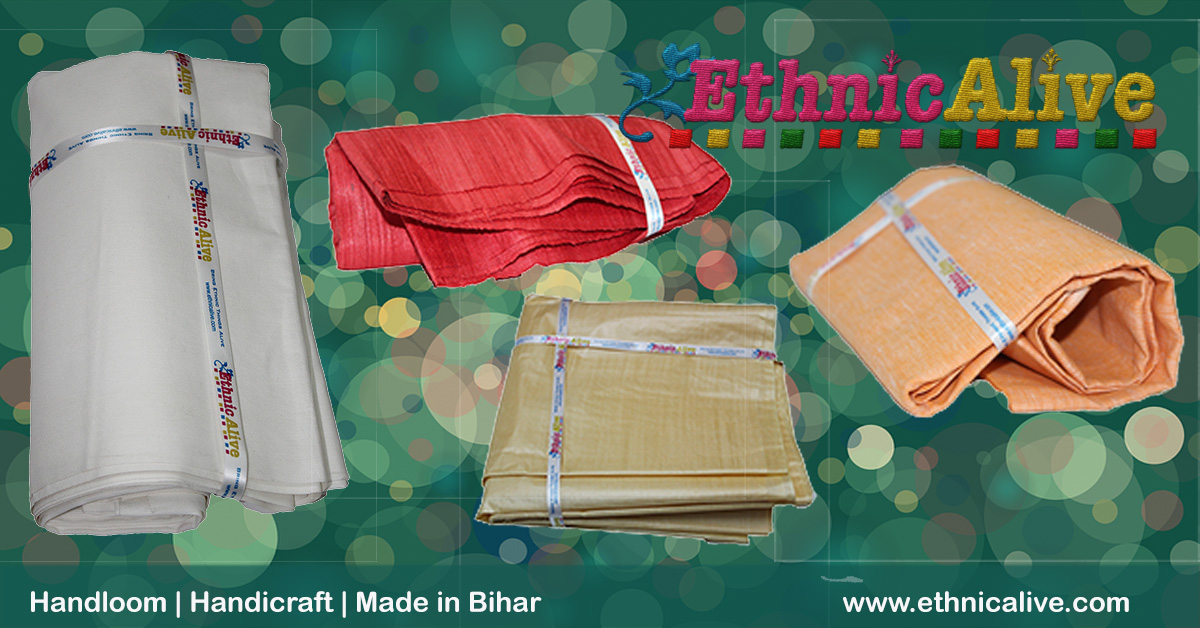
This running fabric showcases the organic texture and weave typical of Bhagalpur handloom production. Designed for versatile custom tailoring, raw fabric lengths like this allow craft lovers to craft tailored kurtas, Nehru jackets, tops, or accent home furnishings while celebrating traditional Indian textiles.
Bhagalpuri silk Saree
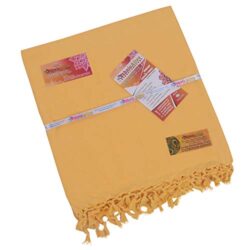
A classic representation of regional fashion, a Bhagalpuri silk saree combines rich tactile feel with light, comfortable wearability. Suitable for formal office attire, festive gatherings, or cultural events, the saree highlights the quiet charm of Bihar silk through timeless weaves and graceful drape stability.
Bhagalpuri Dull Chadar

Known across India for its exceptional soft texture and climate versatility, the Bhagalpuri dull chadar is a treasured traditional wrap. Woven with specialized yarns on local looms, it grows softer with every wash and provides ideal comfort during mild winters, air-conditioned rooms, or summer nights.
Caring for Your Bhagalpur Silk Products
Handcrafted textiles require thoughtful maintenance to retain their texture, natural sheen, and structural integrity over time. Proper care ensures your silk garments and home linens remain vibrant for years.
- Washing: Dry cleaning is generally recommended for heavily dyed or pure silk items, especially during the first few cleans. For lighter daily-use products like blend chadars, gentle hand washing in cold water using mild, neutral detergent is suitable.
- Drying: Avoid wringing handloom silk garments. Gently press out excess water and air dry them in a shaded, well-ventilated spot away from direct sunlight to prevent color fading.
- Ironing: Iron on a low or silk heat setting while the fabric is slightly damp, or use a thin protective cotton cloth over the fabric while pressing.
- Storage: Store silk garments in breathable cotton fabric bags rather than plastic covers. Keep them in a cool, dry closet with natural moth repellents like neem leaves or lavender sachets.
Frequently Asked Questions
What makes Bhagalpur Silk different from other Indian silks?
Bhagalpur silk is primarily known for its wild silk (Tussar/Katiya) roots, which give it a unique, earthy texture with natural slubs and a soft, matte sheen rather than the slick, glossy finish of mulberry silks like Kanjeevaram or Banarasi silk.
Is Bhagalpuri silk comfortable to wear during summer?
Yes. The handloom weave and nature of wild silk fibers allow air to circulate freely. Products like lightweight Bhagalpuri silk sarees and dull chadars are breathable and light, making them comfortable for warm weather and transitional seasons.
How can I recognize authentic Bhagalpur handloom fabric?
Authentic handloom fabric usually displays small natural surface variations in thread thickness, a slightly textured feel to the touch, and a balanced, soft drape rather than a stiff synthetic sheen.
Why is the Bhagalpuri dull chadar so famous?
The Bhagalpuri dull chadar is famous due to its distinctive soft weave, high breathability, and ability to adjust comfortably to ambient temperatures, making it a reliable, long-lasting everyday wrap in Indian homes.
Disclosure: EthnicAlive may earn a commission from qualifying purchases made through affiliate links on this page.
Conclusion: Honoring Bihar’s Living Weaving Heritage
From the wooden frames of local artisan karghas to the closets of conscious wardrobe enthusiasts, Bhagalpur silk represents the enduring strength of Indian handloom culture. Its rich textures tell tales of artisan dedication, regional history, and sustainable textile practices rooted deeply in Bihar’s heritage.
By choosing authentic Bhagalpur handloom products—whether a graceful silk saree, a piece of versatile craft fabric, or an inviting dull chadar—you bring home more than just an elegant textile; you participate in preserving an artistic tradition that has sustained rural weaving communities for generations.