Soul vs Scale: Indian Handmade Crafts vs Machine-Made Art Craft Products
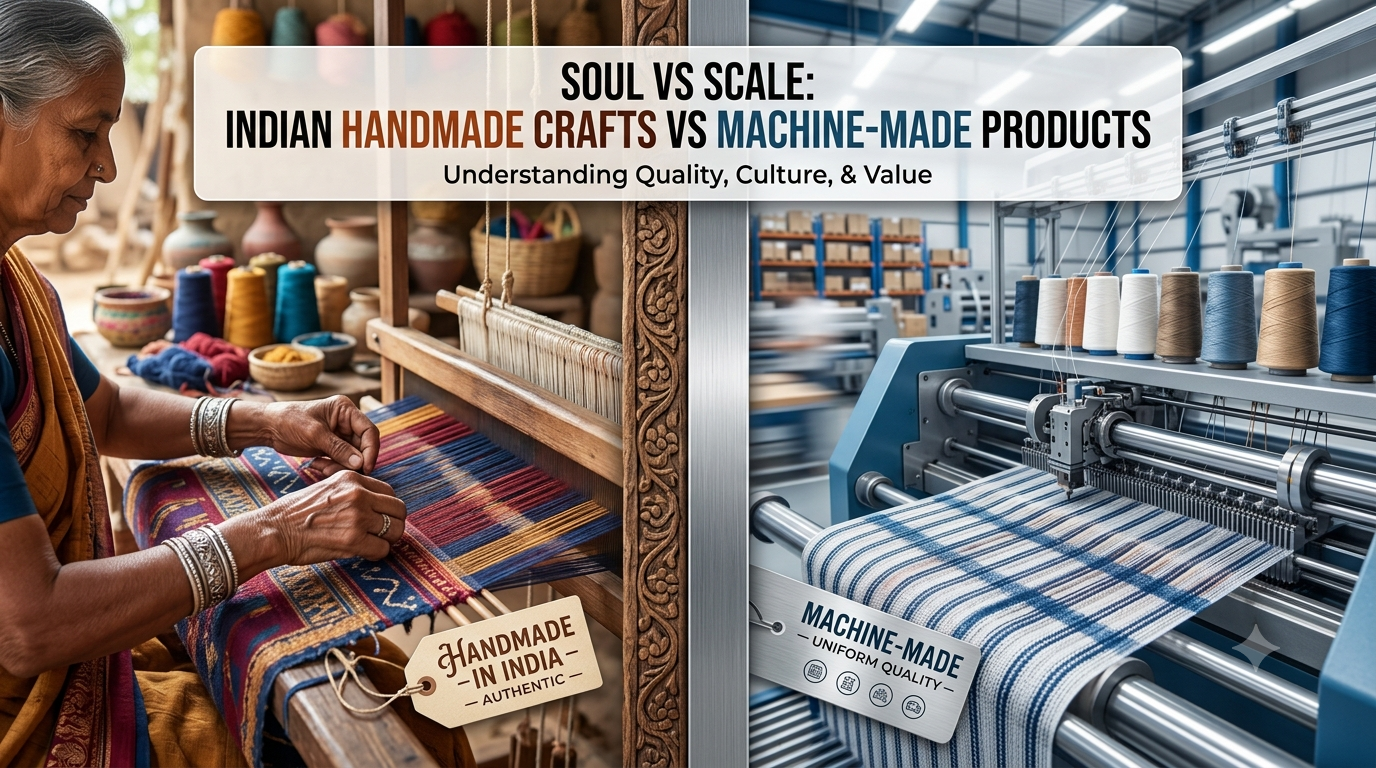
In a world filled with factory-produced decorations and mass-market products, traditional Indian handicrafts offer something different:
cultural identity, human creativity, and a connection to generations of craftsmanship. But does handmade always mean better, and are
machine-made products necessarily less valuable? This guide compares Indian handmade crafts with machine-made art and craft products, exploring their uniqueness, environmental impact, durability, pricing, and importance to India’s creative economy.
1. The Soul of Handmade Indian Crafts
Indian handicrafts reflect the diverse cultural traditions of the country’s regions and communities. From terracotta pottery and brass
objects to handwoven cotton, embroidered textiles, wooden toys, and folk-art decorations, each craft carries the influence of local
materials, techniques, and artistic traditions.
Handmade products often reveal the touch of their maker through brushstrokes, small variations in shape, woven textures, and
individually applied decorative details. These characteristics are not necessarily defects; they can be part of the product’s identity.
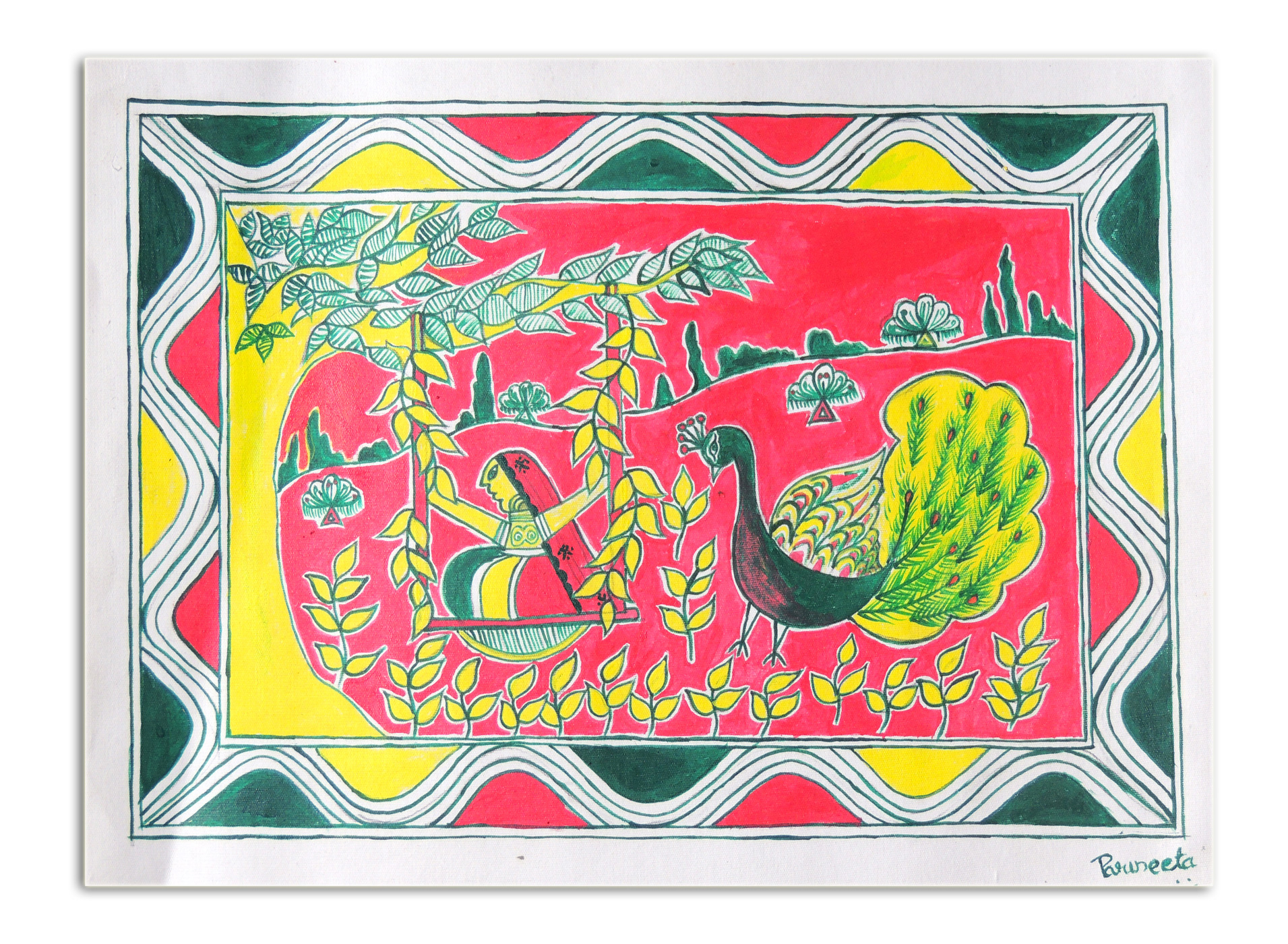
Consider a hand-painted folk-art wall hanging or a traditional terracotta mask. Its colours, patterns, and forms can communicate
stories about regional heritage, beliefs, and everyday life. Purchasing such an object may also help sustain the skills of the
artisan who created it.
2. The Scale and Precision of Machine-Made Products
Machine-made craft products serve a different but equally important
purpose. Modern manufacturing can produce large quantities of
decorative items with consistent dimensions, repeated patterns, and
predictable finishes. Automated processes can also reduce production
time and make certain designs more affordable.
Machine production is especially useful when consumers need matching
sets, standardised components, readily available replacements, or
everyday products at accessible prices. Machines can also help
artisans with cutting, shaping, printing, and other repetitive tasks.
However, identical appearance does not automatically mean poor quality. A well-designed, machine-made product may be durable and
practical, just as a handmade product may vary in quality depending on its materials and workmanship.
3. Handmade vs Machine-Made: Key Differences
Factor
Handmade Crafts
Machine-Made Products
Appearance
Individual variations and distinctive details
Generally consistent shapes and finishes
Cultural value
Can preserve regional techniques and traditions
Can reproduce traditional designs at scale
Production speed
Often slower and labour-intensive
Usually faster for large production runs
Price
May reflect skilled labour and production time
Can benefit from economies of scale
Customisation
Often allows personalised designs and finishes
Customisation depends on the manufacturing process
Environmental impact
Can be lower with local, durable materials and low-waste methods
Depends on energy use, materials, transport, and waste management
4. Sustainability: Traditional Materials vs Mass Production
Sustainability is not determined by whether a product is handmade
or machine-made alone. It also depends on the materials used, how
the item is manufactured, how far it travels, how long it lasts,
and what happens when it is no longer needed.
Why traditional crafts can be sustainable
Locally sourced clay, cotton, wood, and other suitable natural materials may reduce transport requirements.
Small-scale workshops can avoid some forms of large-scale manufacturing waste.
Repairable, reusable, and long-lasting products can reduce frequent replacement.
Traditional skills can support local production networks and community livelihoods.
Environmental concerns with mass-produced decor
Plastic components, synthetic coatings, and mixed materials may complicate recycling.
Large production runs can generate substantial waste if demand is overestimated.
Energy-intensive processes and long-distance transport can increase environmental impacts.
Low-cost products may encourage frequent replacement when their quality is poor.
Nevertheless, handmade products are not automatically eco-friendly. Kiln-fired terracotta, chemically treated wood, synthetic paints,
and resource-intensive materials also have environmental costs. Efficient factories can sometimes use less material per unit than
small workshops. The better choice is a durable product with responsible materials, minimal unnecessary packaging, and a useful
life that justifies its environmental footprint.
5. The Economic and Social Reality for Indian Artisans
Traditional Indian handicrafts are created by skilled artisans, family-run workshops, and independent craftspeople who preserve valuable artistic traditions. Their livelihoods depend on access to quality materials, fair compensation, customer demand, and opportunities to sell their work in wider markets.
Handcrafted products may cost more because they require skilled labour, individual attention, and considerable time to complete. However, a higher selling price does not always mean better earnings for the artisan, as intermediaries, transportation, and marketplace commissions can reduce their share.
Machine-made alternatives offer affordable and widely available home decor while creating employment in manufacturing, packaging, logistics, and retail. Both production methods contribute to the economy, but responsible manufacturing should prioritise fair working conditions, efficient resource use, and product quality.
As consumers, we can help sustain traditional craftsmanship by purchasing from trusted artisan businesses, checking product origins, and choosing authentic handmade items when possible. Every informed purchase can help preserve traditional skills and support the communities that keep them alive.
6. Handmade and Contemporary Decor: Products to Explore
A beautiful home does not have to follow a single decorating style. Combining traditional Indian handicrafts with contemporary wall art and modern decorative accessories can create a distinctive, balanced interior. Here are four products to explore, offering inspiration for different tastes, spaces, and budgets.
A camel-rider couple showpiece can add a colourful ethnic accent to a shelf, display cabinet, or cultural-themed room. It may suit
buyers who enjoy Indian-inspired decorative objects and want to introduce a regional visual theme into their interiors.
Before buying: Check the material, dimensions, finish, and whether the item is explicitly described as handmade. A traditional appearance alone does not establish that a product was made by hand.
Clay wall masks can create a strong visual focal point in a living room, bedroom, hallway, or creative workspace. Their earthy appearance works particularly well with natural textures, wooden furniture, and understated interior palettes.
Terracotta has a long history in Indian material culture, although the precise origin and manufacturing method of a modern product should be verified from its listing or seller.
3. Artvibes Home Quotes Decorative MDF Wooden Wall Hanger
Style: Modern, quote-based wall decoration.
A decorative MDF wall hanger can be an accessible way to add personality to an entryway, living room, or home office. Products of this kind can provide consistent lettering and repeatable designs that suit contemporary interiors.
MDF is an engineered wood product, so buyers interested in sustainable materials should check the product’s construction, coating, durability, and end-of-life disposal options.
4. The Next Decor Golden Fusion Petal Round Wall Art
Style: Contemporary golden-finish wall art.
Modern round wall art can complement office interiors, living spaces, and minimalist rooms. Its decorative finish offers a different aesthetic from the earthy surfaces and individually painted details associated with many traditional craft forms.
For a balanced interior, combine contemporary wall art with textiles, pottery, or other decorative objects that reflectregional Indian design traditions.
Product note: These listings are examples of ethnic and
contemporary decor, not independent verification that each item
is handmade, locally sourced, or environmentally certified.
Confirm current prices, materials, dimensions, seller information,
and customer reviews before purchasing.
7. When Should You Choose Handmade or Machine-Made?
Choose handmade when you want:
A meaningful gift with individual character.
Traditional ethnic wear, handloom textiles, or distinctive accessories.
Statement pieces that express cultural identity.
Custom artwork or designs with personal significance.
To support skilled makers and preserve traditional knowledge.
Choose machine-made when you need:
Budget-friendly everyday household products.
Matching decorative sets or standardised dimensions.
Consistent finishes and readily available replacements.
Products manufactured to technical specifications.
Practical goods for which convenience and repeatability matter most.
The best decision depends on the purpose, available budget, expected
lifespan, material quality, and personal preferences. For products
used frequently, durability and repairability may matter more than
whether they are handmade. For meaningful gifts or cultural
displays, the maker’s story and artistic individuality may carry
greater value.
8. How to Make More Responsible Craft Purchases
Check the origin: Look for information about the maker, workshop, or production region.
Understand the materials: Read descriptions carefully and distinguish solid wood, engineered wood, natural fibres, clay, and synthetic materials.
Ask about workmanship: If a product is advertised as handmade, check whether the seller explains the actual production process.
Think about longevity: Choose products that can be maintained, repaired, reused, or passed on.
Compare total value: Consider price, expected lifespan, function, and environmental impact rather than purchase price alone.
Support transparent sellers: Prefer sellers who provide clear product information and fair, credible descriptions of their craft.
Conclusion: A Future Where Soul and Scale Coexist
Indian handmade crafts and machine-made products each have a valuable place in modern life. Traditional handicrafts preserve cultural heritage, celebrate individual creativity, and provide livelihood opportunities for skilled artisans. Machine-made products, meanwhile, offer consistency, convenience, and affordability to a wider range of consumers.
Making sustainable choices does not mean rejecting modern technology or purchasing handmade products every time. It means looking beyond appearance and price to consider the materials, manufacturing process, product lifespan, and people involved in its creation.
For meaningful gifts, distinctive home decor, and culturally significant pieces, authentic handmade crafts can offer a personal connection that goes beyond their practical use. For everyday essentials and standardised products, well-made machine-produced alternatives can be equally sensible.
Ultimately, the goal is not to choose one over the other, but to appreciate their different strengths. By supporting responsible manufacturers, valuing traditional craftsmanship, and making informed purchasing decisions, we can build a future where innovation thrives alongside India’s rich artistic heritage.
Frequently Asked Questions
Are handmade Indian crafts always better than machine-made products?
Not necessarily. Handmade products often offer individuality, cultural significance, and skilled workmanship, while machine-made products can provide greater consistency and affordability. The best choice depends on quality, durability, budget, and intended use.
Are handmade products more sustainable?
Handmade products can have a lower environmental impact when they use responsibly sourced materials, minimise waste, and last for many years. However, sustainability also depends on transportation, energy consumption, finishes, packaging, and disposal.
How can I identify a genuinely handmade product?
Check the seller’s description, production process, artisan details, and product photographs. Ask about the materials and techniques used. Small variations may be characteristic of handmade work, but appearance alone does not prove that an item was handcrafted.
How does buying handicrafts support Indian artisans?
Buying authentic handicrafts from transparent sellers helps create demand for traditional skills and can support artisan incomes and local communities. Purchasing directly from craftspeople or reputable artisan-led businesses, when possible, can strengthen this support and help preserve India’s diverse craft traditions.