
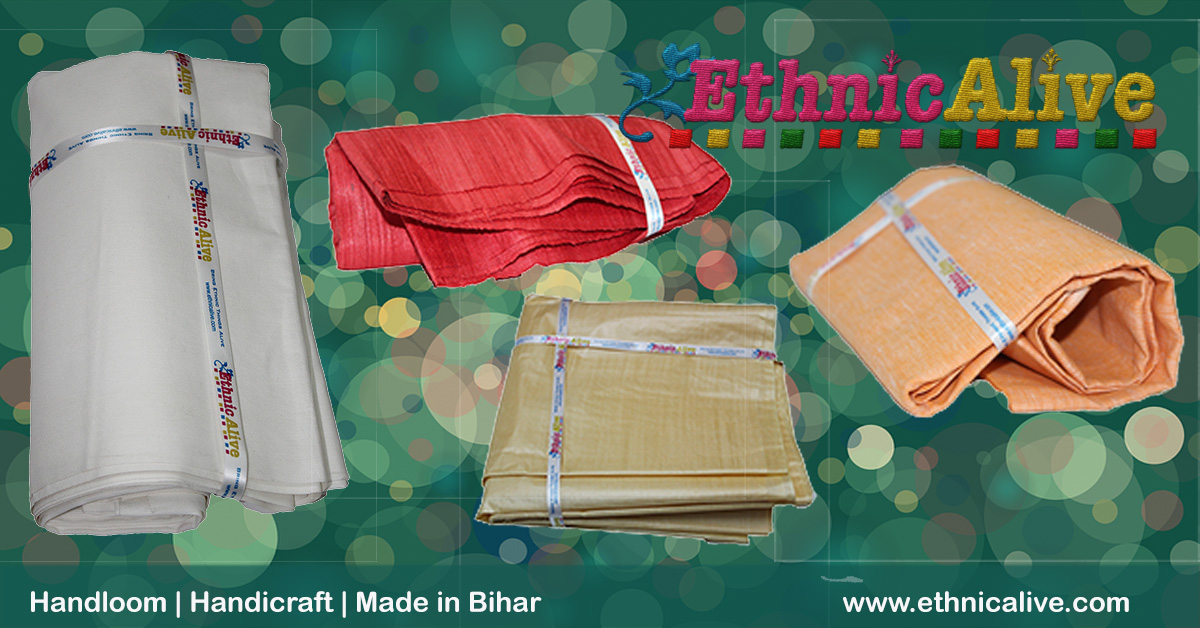

India is a land of incredible diversity, where language, customs, cuisine, and apparel change remarkably across geographic boundaries. The wide array of Indian dresses reflects centuries of heritage, art, and regional identity. Every state features distinct textiles, weaving techniques, and draping styles that respond to local climate, history, and social traditions. Exploring state wise clothing provides a fascinating window into how native artisans have preserved cultural legacies through handcrafted ethnic wear.
From the delicate silks of the North-East to the heavy brocades of the South, traditional apparel serves as more than mere clothing. It remains an integral aspect of celebrations, daily routines, and regional pride. This guide offers a comprehensive look at traditional Indian attire across various states, highlighting the craftsmanship and heritage behind iconic regional garments.
The Cultural Significance of Regional Indian Dresses
The story of traditional attire in India is tied to indigenous materials and local weaving traditions. Historically, communities relied on local natural fibers such as cotton, silk, and wool to craft garments suited to their surroundings. Over generations, distinct regional identifiers emerged, ranging from specific embroidery techniques to signature weaving motifs.
Traditional ethnic wear reflects several core influences:
- Climate Adaptations: Lightweight cottons dominate warm coastal regions, while structured silks and layered woolens are favored in cooler northern terrain.
- Artisan Craftsmanship: Techniques such as block printing, tie-and-dye, zari work, and hand embroidery are passed down through artisan families.
- Ritual and Ceremony: Specific colors, motifs, and drape styles mark festive occasions, weddings, and cultural rituals.
Northern and Eastern India: Heritage Fabrics and Weaves
Northern and Eastern India feature a mix of flowing silhouettes, ornate embroideries, and historic handlooms. In Punjab, vibrant Phulkari embroidery decorates suits and dupattas, while Jammu and Kashmir are renowned for the warm, embroidered Pheran. Moving eastwards, West Bengal is celebrated for lightweight Taant cotton sarees and rich Baluchari weaves, while Assam is known for the two-piece Mekhela Chador crafted from indigenous silks like Muga and Eri.
Bihar also holds an important place in Eastern textile history, particularly known for its tussar and native handloom creations originating around Bhagalpur.
Bhagalpuri Silk & Handloom Fabric

Bhagalpur in Bihar is often referred to as the “Silk City” due to its centuries-old tradition of silk weaving. Bhagalpuri silk, widely appreciated for its unique texture and organic finish, represents a cornerstone of Eastern Indian handloom traditions. Artisans craft these fabrics using specialized weaving processes that highlight natural slubs and rich tones, making them suitable for traditional ethnic attire such as sarees, dupattas, and kurta sets.
Central and Western India: Color, Prints, and Fine Silks
Western India is characterized by bright, contrasting colors and detailed surface ornamentations. In Rajasthan and Gujarat, traditional apparel often includes Chaniya Cholis and Bandhani (tie-and-dye) textiles designed to mirror the vibrancy of local folklore. Maharashtra features the traditional nine-yard Nauvari saree and rich Paithani silks with peacock borders.
In Central India, particularly Madhya Pradesh, textile history is famous for lightweight weaves that merge sheer quality with intricate motifs. Weaves like Maheshwari and Chanderi have been favored by royalty for generations due to their airy elegance and subtle sheen.
Chanderi Silk Saree

Originating from the historic town of Chanderi in Madhya Pradesh, Chanderi sarees are widely recognized for their light texture, sheer transparency, and refined hand-woven borders. Traditionally crafted by combining silk and fine cotton threads with delicate zari work, these sarees display traditional motifs such as floral patterns, coin shapes, and geometric designs. The subtle elegance of a Chanderi silk saree makes it a staple choice for regional ceremonies and formal ethnic wear.
Southern India: Temple Borders and Rich Silks
Southern India maintains a distinct architectural and artistic identity reflected in its traditional attire. Tamil Nadu, Kerala, Andhra Pradesh, Telangana, and Karnataka each feature iconic handlooms. Kerala is celebrated for its minimalistic white and gold Kasavu sarees and Mundu. Telangana and Andhra Pradesh are famous for intricate Ikat patterns like Pochampally and Mangalagiri weaves.
In Tamil Nadu, silk weaving holds a central position in cultural gatherings, weddings, and temple ceremonies. The region is world-famous for structured, heavy silk weaves featuring contrasting borders inspired by traditional South Indian architecture and temple motifs.
South Silk Saree Kanjivaram

Kanchipuram, located in Tamil Nadu, is the birthplace of the renowned Kanjivaram silk saree. Known for broad woven borders, rich color contrasts, and zari details, these sarees are traditionally crafted using mulberry silk threads. The weaving process often involves joining the body and border securely, resulting in a durable fabric that carries substantial cultural significance across Southern India. Kanjivaram sarees are often passed down through generations as heirloom ethnic wear.
Overview of Traditional Indian Clothing by State
To better understand how state wise clothing differs across India, the table below highlights signature traditional garments and notable textile crafts across key states:
| State | Traditional Attire / Textile | Key Characteristics |
|---|---|---|
| Punjab | Salwar Kameez & Phulkari Dupatta | Vibrant flower-patterned hand embroidery on cotton or silk. |
| Jammu & Kashmir | Pheran | Loose upper garment, often decorated with delicate Aari embroidery. |
| West Bengal | Taant & Baluchari Sarees | Lightweight crisp cottons and intricate mythological motif silks. |
| Assam | Mekhela Chador | Two-piece drape crafted from native Muga, Eri, or Pat silk. |
| Bihar | Bhagalpuri Silk Handloom | Natural-textured tussar and hand-loomed silk fabrics. |
| Madhya Pradesh | Chanderi & Maheshwari Sarees | Sheer, lightweight fabrics with delicate zari borders. |
| Gujarat | Chaniya Choli & Patola Saree | Double Ikat weaving and bright tie-and-dye mirror work. |
| Maharashtra | Nauvari Saree & Paithani | Nine-yard draping style with gold zari peacock motifs. |
| Tamil Nadu | Kanjivaram Silk Saree | Heavy mulberry silk with contrasting temple-inspired borders. |
| Kerala | Kasavu Saree / Mundu | Off-white natural cotton accented with golden zari borders. |
Key Characteristics of Indian Ethnic Wear
When exploring traditional Indian dresses, several defining features stand out regardless of the specific state of origin:
- Natural Fibers: Traditional apparel primarily relies on pure silk, organic cotton, jute, and wool, promoting breathability and sustainability.
- Artisanal Techniques: Handloom weaving, hand-block printing (such as Ajrakh or Kalamkari), and manual embroidery define the character of regional attire.
- Cultural Motifs: Designs frequently draw inspiration from nature (peacocks, lotus flowers, mango leaves) and traditional temple architecture.
- Draping Versatility: Unstitched garments like sarees, dhotis, and dupattas can be draped in dozens of unique regional styles across different communities.
Preserving and Caring for Traditional Handloom Fabrics
Proper maintenance ensures that handloom sarees and ethnic garments retain their luster, texture, and structural strength over time. Because hand-woven natural fibers require gentle handling, consider these practical preservation tips:
- Storage: Store delicate silk sarees and fabrics wrapped in clean, breathable cotton cloths rather than plastic bags to prevent moisture accumulation.
- Air Out Regularly: Unfold and air out silk handlooms periodically in a shaded, well-ventilated area to maintain fabric freshness.
- Cleaning: Dry cleaning is generally recommended for heavily embellished garments and pure silk sarees. For delicate handloom cottons, use mild detergent in cold water.
- Ironing: Iron garments on appropriate low-to-medium heat settings, preferably placing a thin cotton cloth over metallic zari or embroidery.
Frequently Asked Questions
What makes state wise clothing in India so distinct?
State wise clothing in India varies due to differences in regional climate, locally available natural fibers, historical trading routes, and community-specific weaving or embroidery techniques developed over centuries.
What is the difference between Chanderi and Kanjivaram silk sarees?
Chanderi sarees originate from Madhya Pradesh and are lightweight, sheer, and often blended with cotton. Kanjivaram sarees originate from Tamil Nadu and are known for their heavier weight, dense mulberry silk construct, and prominent contrasting borders.
How should natural handloom fabrics like Bhagalpuri silk be maintained?
Handloom fabrics like Bhagalpuri silk should ideally be dry-cleaned or gently hand-washed in cold water with mild detergent. They should be dried in the shade and stored in breathable cotton wrapping.
Why are traditional Indian dresses considered sustainable?
Many traditional Indian garments are handcrafted using natural fibers on manual looms. These methods consume minimal electricity, produce minimal industrial waste, and support local weaving communities.
Conclusion
The vast world of Indian dresses offers a journey through the cultural landscape of the country. From the crisp handloom silks of Bihar to the airy elegance of Madhya Pradesh’s Chanderi weaves and the grandeur of Tamil Nadu’s Kanjivaram garments, each state brings its own heritage to the tapestry of traditional ethnic wear. Exploring these regional textiles allows us to appreciate the skilled craftsmanship, rich histories, and timeless elegance preserved by generations of Indian artisans.
Disclosure: EthnicAlive may earn a commission from qualifying purchases made through links on this page.

