Handcrafted Heritage: The Timeless Crafts of Eastern India
Introduction: Discovering the Craft Heritage of Eastern India
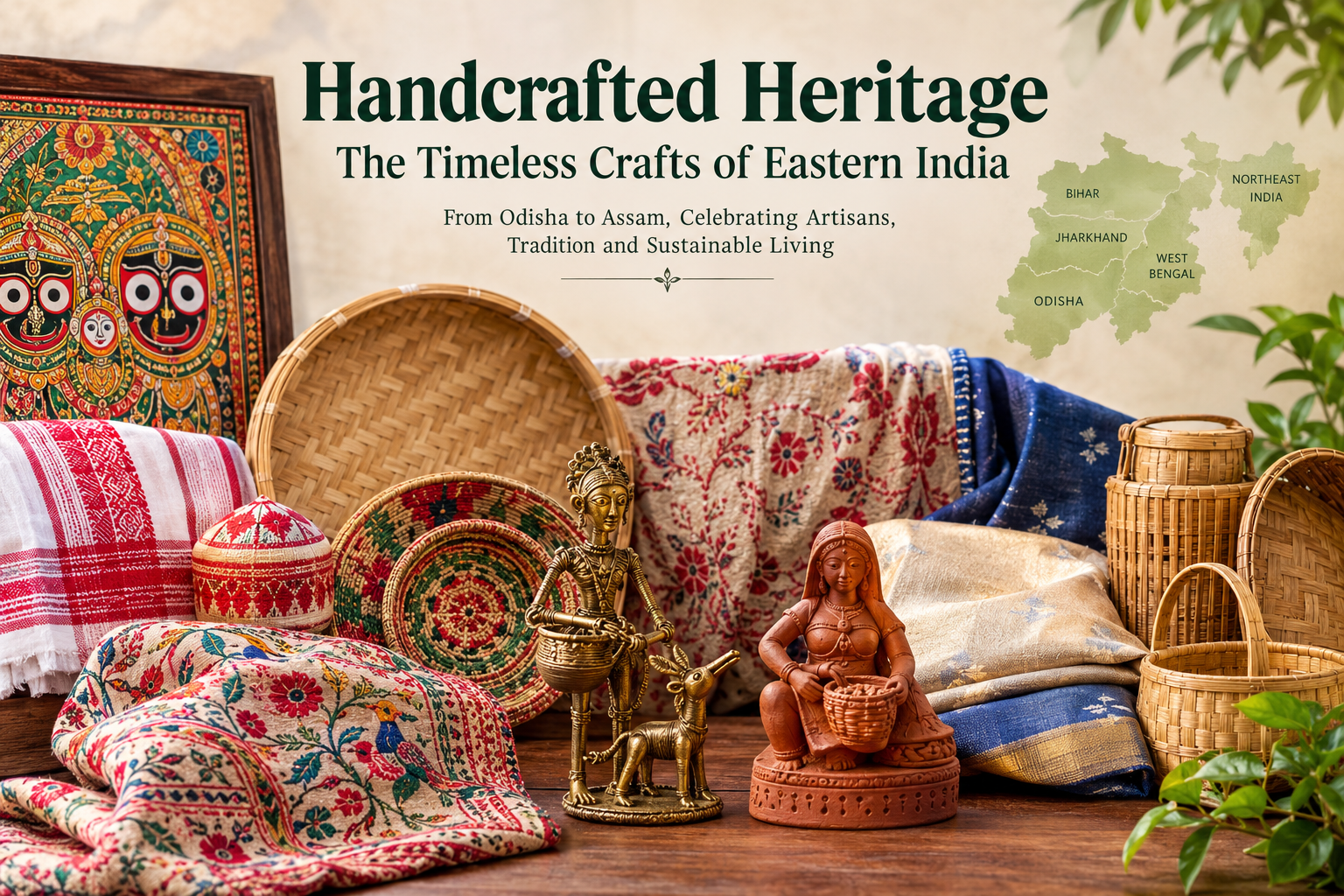
Eastern India is home to a remarkable collection of traditional handicrafts shaped by regional cultures, local materials, skilled artisans, and generations of inherited knowledge. From the painted cloths of Odisha and embroidered textiles of West Bengal to the metalwork of Jharkhand, the silk-weaving traditions of Bihar, and the bamboo craftsmanship of Northeast India, these art forms represent a living connection between heritage and everyday life.
Across the region, artisans transform cotton, silk, clay, bamboo, cane, grass, and metal into functional objects, decorative pieces, garments, and cultural artefacts. Many products reflect local landscapes, religious traditions, agricultural life, and community practices.
Today, traditional handicrafts are finding new audiences through contemporary home décor, fashion, sustainable product design, and online marketplaces. Understanding their origins and production methods helps consumers appreciate not only their appearance but also the knowledge and labour behind each piece.
This guide explores some of the most distinctive handicraft traditions of Eastern India, their materials, cultural significance, and place in modern living.
1. Odisha: Pattachitra Painting and Traditional Craftsmanship
Odisha is renowned for its rich artistic traditions, particularly Pattachitra painting, palm-leaf engraving, appliqué work, stone carving, and traditional textiles.
Pattachitra: Painting on a Prepared Surface
Pattachitra is a traditional painting style associated with Odisha’s religious and cultural heritage, especially the Jagannath tradition of Puri. The craft is also strongly associated with Raghurajpur, a village recognised for its concentration of traditional artists.
Artists create detailed compositions featuring Lord Jagannath and other deities, mythological narratives, floral designs, ornamental borders, and decorative patterns.
Traditional paintings are distinguished by controlled outlines, intricate detailing, carefully organised compositions, and rich colours. Preparing the painting surface and completing the fine decorative elements require specialised knowledge.
Contemporary artisans also produce Pattachitra-inspired products for collectors, home décor, gifts, and cultural exhibitions.
Palm-Leaf Engraving
Palm-leaf engraving is another important Odisha craft. Artists incise fine lines into prepared palm leaves to create illustrations, ornamental patterns, and narrative compositions.
The technique requires patience and precision, as intricate images are constructed through repeated incisions and carefully arranged details.
Pipili Appliqué
Pipili, in Odisha, is particularly known for colourful appliqué work. Artisans cut fabric into shapes and stitch the pieces onto a contrasting textile background to create decorative patterns.
Common products include canopies, umbrellas, wall hangings, lampshades, cushions, and festive decorations.
These traditions demonstrate how Odisha’s artisans adapt specialised techniques to religious, ceremonial, decorative, and contemporary uses.
2. West Bengal: Kantha Embroidery and Terracotta Heritage
West Bengal has a diverse craft culture encompassing textiles, embroidery, clay modelling, terracotta architecture, weaving, and decorative arts.
Kantha Embroidery: The Art of Decorative Stitching
Kantha embroidery is a distinctive textile tradition associated with Bengal. Historically, layers of old fabric were stitched together to make quilts and other useful household items.
The craft developed into an expressive embroidery style in which running stitches create decorative patterns. Artisans depict flowers, leaves, animals, geometric designs, and scenes from everyday life.
Modern Kantha products include quilts, cushion covers, scarves, garments, bags, table linen, and wall decorations.
Kantha’s historical association with textile reuse makes it particularly interesting from a sustainability perspective. However, contemporary products may use new fabric, so the environmental benefits depend on the actual materials and production process.
Bishnupur Terracotta
Bishnupur is famous for its terracotta temples, whose architectural surfaces feature elaborate clay reliefs and narrative panels.
Traditional terracotta craftsmanship also includes figurines, decorative objects, pottery, and architectural ornaments. Artisans shape clay, allow it to dry, and fire it to produce durable objects.
Terracotta’s warm earthy colours and tactile surface make it popular in contemporary interiors. Its production impact varies according to clay sourcing, kiln technology, fuel, and transport.
Baluchari and Bengal’s Textile Heritage
Baluchari sarees are associated with Bishnupur and are known for elaborate woven designs, often featuring narrative scenes and ornamental motifs.
West Bengal is also connected with the wider Bengal tradition of Jamdani weaving. These textiles demonstrate the technical skill involved in creating detailed patterns through weaving rather than simply printing designs onto fabric.
Together, embroidery, terracotta, and weaving reveal the diversity of West Bengal’s craft traditions.
3. Jharkhand: Sabai Grass and Dokra Metal Craft
Jharkhand’s handicrafts reflect the region’s natural resources, indigenous knowledge, and the skills of artisan communities.
Sabai Grass Craft
Sabai grass is used by artisans to make baskets, mats, storage containers, decorative plates, and other useful products.
The process involves preparing the grass and using techniques such as coiling, braiding, and weaving to create different shapes and patterns. Some products retain natural tones, while others incorporate dyed fibres and contrasting colours.
Sabai grass crafts are valued for their lightweight construction, textured appearance, and practical uses. Decorative wall plates and woven baskets have also become popular in contemporary homes.
Where the grass is responsibly harvested and artisans receive fair compensation, the craft can contribute to rural livelihoods and local economic activity.
Dokra Metal Craft
Dokra, also written as Dhokra, is a traditional non-ferrous metal-casting craft practised in parts of Eastern India, including Jharkhand, Odisha, and West Bengal.
One well-known production method is lost-wax casting. The artisan creates a wax model, forms a mould around it, removes the wax by heating, and pours molten metal into the resulting cavity. After cooling, the mould is removed and the object is finished by hand.
Traditional Dokra products include human and animal figures, ritual objects, jewellery, and decorative sculptures.
The textured surface of many Dokra objects reflects the casting process and the artisan’s finishing techniques. Each piece can vary in detail, making traditional metalwork attractive to collectors and people interested in handcrafted décor.
4. Bihar: Bhagalpuri Silk and Heritage Textiles
Bihar contributes significantly to Eastern India’s textile heritage through the silk-weaving tradition of Bhagalpur, often called the Silk City of India.
Bhagalpuri Silk
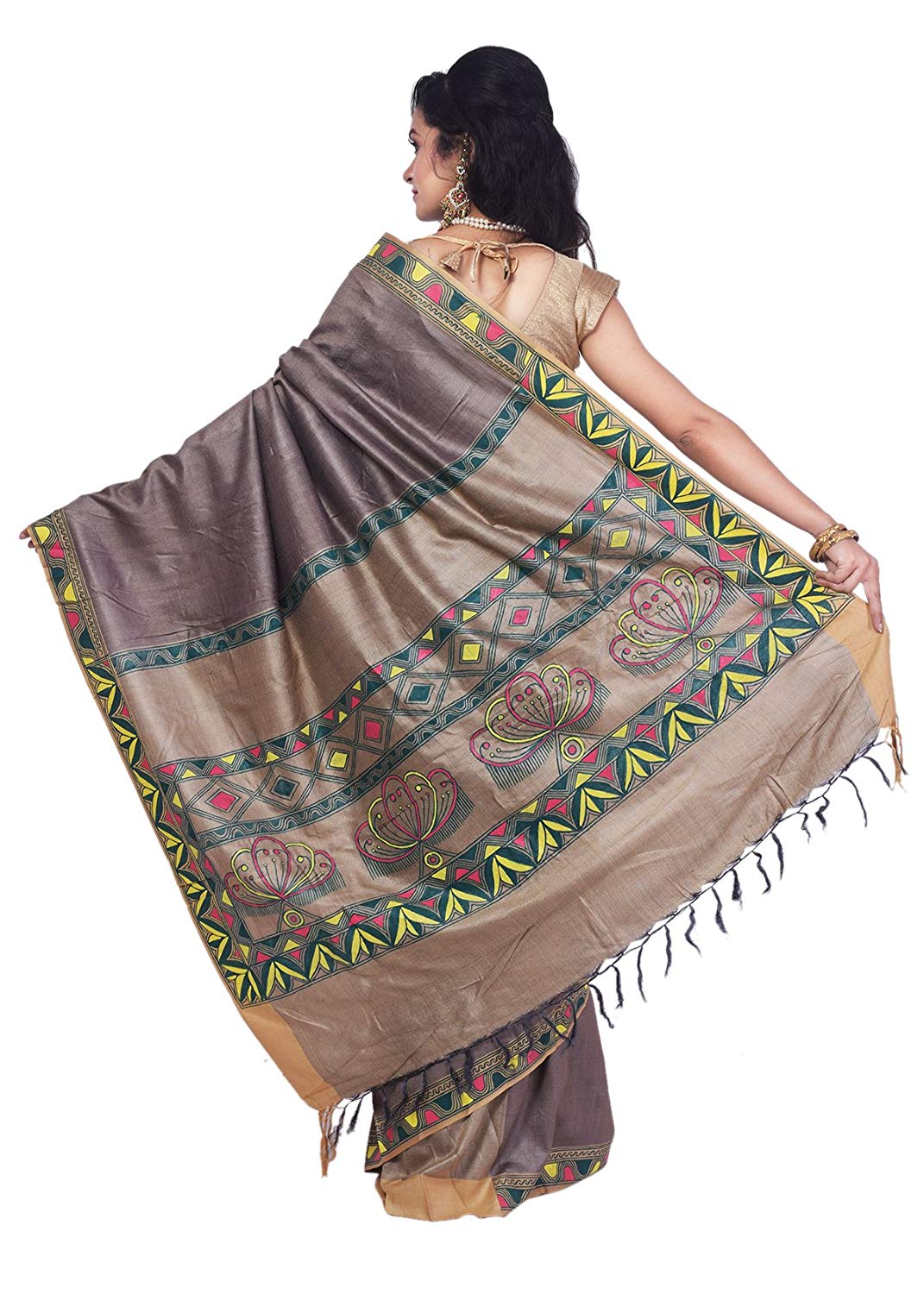
Bhagalpur is associated with silk weaving, textile processing, and the production of sarees, stoles, scarves, and other fabrics.
Tussar silk, also known as tasar silk, is valued for its characteristic texture and natural sheen. It is widely used in traditional and contemporary clothing.
The textile industry involves a network of workers and artisans, including weavers, dyers, designers, and other skilled participants. Their work combines inherited knowledge with changing market preferences.
Handloom Fabrics and Everyday Textiles
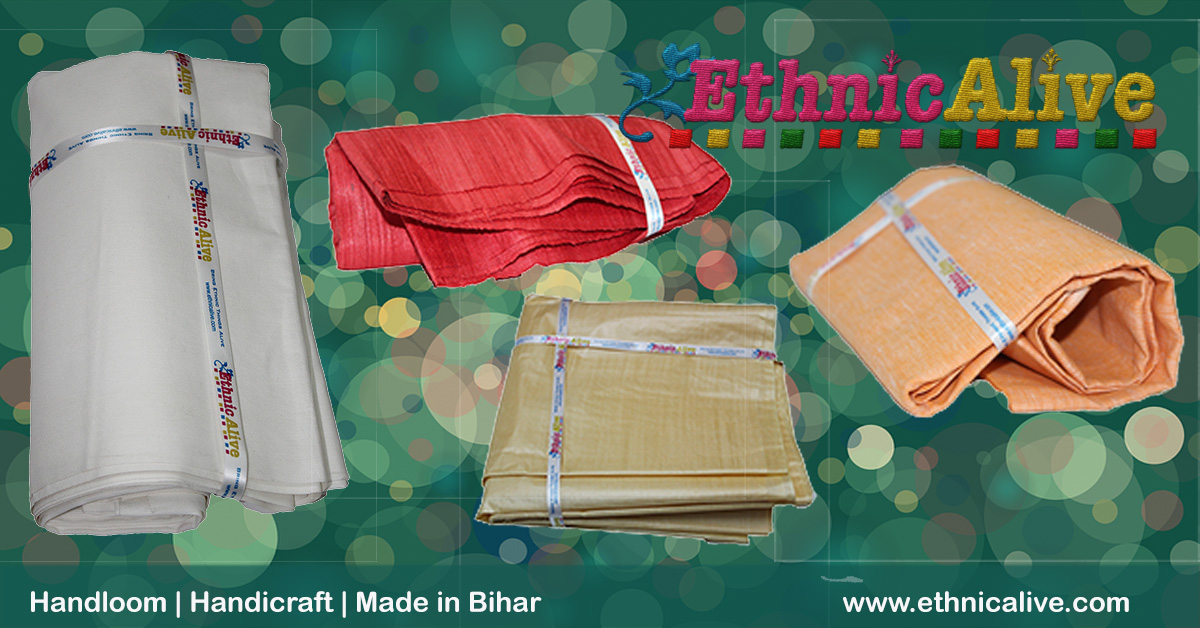
Eastern India’s textile traditions also include practical household products such as woven towels, scarves, gamchas, and decorative fabrics.
When purchasing heritage textiles, check the fibre composition, weaving technique, dimensions, care instructions, and seller information. A traditional appearance alone does not establish that a product is handwoven or made from natural silk.
Bhagalpuri textiles illustrate how regional craft knowledge can remain relevant in contemporary fashion, gifting, and home furnishings.
5. Assam: Gamosa, Bamboo, and Cane Craftsmanship
Assam is an important centre of Northeastern India’s textile and plant-fibre craft traditions.
Assamese Gamosa
The Gamosa is a culturally significant textile associated with Assamese identity, hospitality, respect, and ceremonial exchanges. It is commonly recognised by a white background with red decorative borders or motifs, although designs can vary.
Gamosas are used in everyday life and cultural occasions. Traditional weaving knowledge also extends to Assam’s cotton and silk textiles, including Muga and Eri silk.
Bamboo and Cane Products
Bamboo and cane are widely used in Assam to make baskets, trays, storage containers, furniture, household implements, and decorative products.
Artisans select, prepare, split, and weave the material according to the object’s intended use. Different weaving patterns and bindings create variations in strength, flexibility, and appearance.
Handmade bamboo trays and baskets can serve as functional kitchen accessories, storage products, or decorative pieces.
Cultural and Economic Importance
Textiles and bamboo craftsmanship preserve technical skills and provide opportunities for local enterprises. Their future depends partly on access to markets, responsible sourcing, fair pricing, and the ability of younger generations to learn traditional techniques.
6. Northeast India: A Wider World of Handloom and Natural-Fibre Crafts
Beyond Assam, the Northeast includes a wide variety of craft traditions shaped by the region’s diverse communities.
Nagaland: Traditional Woven Textiles
Traditional Naga textiles vary among communities and can feature distinctive colours, stripes, and geometric patterns. Some garments and shawls carry particular cultural or ceremonial significance.
Manipur: Handloom Traditions
Manipur has a strong handloom heritage, with artisans producing traditional clothing and other woven textiles. The designs, materials, and techniques vary across communities and products.
Meghalaya: Bamboo, Cane, and Basketry
Bamboo and cane crafts are important in Meghalaya, where artisans create baskets, mats, containers, and other practical and decorative objects.
Tripura: Bamboo Craftsmanship and Weaving
Tripura has traditions of bamboo and cane work alongside textiles and other handmade products. Basketry and household objects demonstrate how local materials can be adapted to different uses.
These traditions should be understood individually rather than treated as a single uniform style. Each region and community maintains distinctive techniques, motifs, and cultural associations.
7. Jamdani Weaving: Fine Textile Art from Bengal
Jamdani is a celebrated figured-weaving tradition historically associated with Bengal, particularly Dhaka in present-day Bangladesh. It also forms part of the wider textile heritage shared across the Bengal region.
In Jamdani weaving, decorative motifs are incorporated into the fabric during the weaving process. Floral, botanical, and geometric designs appear against the textile’s background, creating an intricate effect.
Jamdani is used in sarees, scarves, and other fine textiles. The skill required to produce detailed woven patterns makes it an important example of specialised handloom knowledge.
When buying Jamdani, look for transparent information about the textile’s origin, production technique, fibre composition, and whether it is handwoven or machine-made.
8. Bamboo and Cane Craft: Useful, Versatile, and Decorative
Bamboo and cane crafts are found across Eastern and Northeastern India, where artisans transform plant materials into everyday objects and decorative products.
Typical products include:
Winnowing trays and baskets
Storage containers and organisers
Furniture and stools
Mats and screens
Decorative wall pieces
Lampshades and gift baskets
Bamboo and cane can be renewable materials, but their environmental benefits depend on responsible harvesting, processing, coatings, product durability, and transportation.
Their versatility makes them suitable for homes that combine traditional design with modern functional needs.
9. Terracotta and Clay Dolls: Handmade Objects with Cultural Character
Clay craftsmanship has a long history across Eastern India. Artisans produce figurines, dolls, pottery, ritual objects, and decorative pieces using locally available clay and traditional shaping techniques.
Clay objects may represent people, animals, occupations, religious themes, or scenes from everyday life. Depending on the product, the process can include hand modelling, moulding, drying, firing, and painting.
Terracotta figurines and clay dolls are popular for shelves, showcases, tabletop arrangements, and cultural collections.
When purchasing these objects, check their dimensions, material description, finish, and suitability for the intended location. Some pieces are delicate and should be protected from impact, moisture, and outdoor exposure.
10. How Eastern Indian Handicrafts Support Sustainable Living
Traditional handicrafts can contribute to more thoughtful consumption, particularly when materials are responsibly sourced and products are made to last.
Natural materials
Clay, bamboo, cane, grass, cotton, and silk connect many craft traditions with regional resources and specialised processing knowledge.
Reuse and repair
Kantha’s historical use of old textiles illustrates how creative stitching can extend the life of fabric. Repairable baskets, textiles, and household objects can also reduce the need for frequent replacement.
Artisan livelihoods
Purchasing authentic handmade products can support individual artisans, cooperatives, and small craft businesses. Fair compensation and transparent sourcing are important parts of that support.
Preservation of traditional skills
Traditional craft production preserves knowledge of weaving, casting, embroidery, painting, and natural-material processing.
Responsible buying
Consumers can look for clear product information, durable construction, appropriate packaging, and evidence of responsible production. Handmade products are not automatically sustainable; the entire production process matters.
11. Decorating Modern Homes with Eastern Indian Handicrafts
Traditional crafts can introduce texture, colour, and regional character into contemporary spaces.
Living room: Display a Dokra sculpture, terracotta figurine, or traditional painting.
Kitchen: Use bamboo trays and baskets for storage or display, provided they are suitable for the intended purpose.
Walls: Arrange Sabai grass plates or framed textile art.
Bedroom: Incorporate embroidered cushions, handwoven fabrics, or silk accessories.
Gifting: Consider an Assamese Gamosa, bamboo tray, or terracotta figurine as a culturally inspired gift.
Mix handmade pieces with simple furnishings to allow the material and craftsmanship to stand out. For food-contact or frequently washed items, always check the manufacturer’s instructions.
12. Handcrafted Heritage Products Worth Exploring
The following products offer examples of traditional textile and craft-inspired design. Availability, prices, specifications, and seller details may change, so review the current listing before purchasing.
Assamese Gamosa: A Traditional Cotton Textile
The Assamese Gamosa is a meaningful textile associated with regional identity, hospitality, and ceremonial exchange. Its red-and-white design can make it a thoughtful cultural gift.
Product: Assamese Gamosa Cotton Red White Traditional Japi Gamcha Cultural Gift Towel, Pack of 1.
Bamboo winnowing trays are associated with household and agricultural practices. A handcrafted tray can also be used as a decorative display or storage accessory, depending on its construction.
Product: BRG Assam’s Finest Handmade Bamboo Dala, 55 cm Winnow Tray, with White Binding.
Handwoven Sabai grass plates add texture and a natural-fibre aesthetic to contemporary interiors. They can be displayed individually or arranged as a decorative wall collection.
Product: Unique Craft India Handwoven Sabai Grass Wall Plates, Decorative Wall Art Baskets, Multicolour, Set of 3.
Miniature figurines can represent traditional occupations and everyday life. This basket-maker figurine is designed for a tabletop, shelf, or showcase.
Product: Terracotta Clay Basket Maker Miniature Figurine for Living Room, Showcase, Cultural Décor, Festive Gift, and Tabletop Display.
Buying advice: Check the current product listing for dimensions, materials, customer reviews, delivery information, and return conditions. A product’s listing title or photograph alone does not independently verify that it was handmade.
13. How to Identify Authentic Eastern Indian Handicrafts
Traditional craft products are available through artisan collectives, exhibitions, specialist stores, and online marketplaces. Before purchasing, consider the following:
Material: Confirm whether the product uses cotton, silk, bamboo, cane, clay, grass, or metal.
Technique: Distinguish hand embroidery, hand weaving, traditional metal casting, and handmade basketry from machine-produced alternatives.
Origin: Look for details about the region, artisan, cooperative, or workshop.
Documentation: Check relevant certification or geographical-origin information when applicable.
Craftsmanship: Examine the finishing, joins, stitching, weave, and durability.
Fair value: Consider whether the price is consistent with the material and labour involved.
Not every handmade product will have identical dimensions or patterns. Small variations can occur naturally in hand production, although quality and safety still matter.
Eastern India’s handicrafts are a living expression of regional identity, artistic skill, and cultural continuity. Odisha’s Pattachitra and appliqué work, West Bengal’s Kantha embroidery and terracotta, Jharkhand’s Sabai grass and Dokra crafts, Bihar’s Bhagalpuri silk, and the bamboo, cane, and textile traditions of Northeast India all contribute to this remarkable heritage.
These crafts connect natural materials with human creativity and transform traditional knowledge into objects that remain useful and meaningful today.
Supporting the craft sector means learning about the origin of products, recognising the skill involved, purchasing responsibly, and valuing the artisans who maintain these traditions.
As traditional crafts find new audiences through contemporary design and online retail, Eastern India’s handcrafted heritage can continue to inspire future generations while preserving the cultural knowledge that makes each tradition distinctive.
Frequently Asked Questions
What are the famous handicrafts of Eastern India?
Notable examples include Pattachitra and Pipili appliqué from Odisha, Kantha embroidery and terracotta from West Bengal, Sabai grass and Dokra metal craft from parts of Jharkhand and neighbouring states, Bhagalpuri silk from Bihar, and bamboo, cane, and traditional weaving across Northeast India.
Which materials are commonly used in Eastern Indian handicrafts?
Artisans use cotton, silk, clay, bamboo, cane, Sabai grass, palm leaves, and metals. Materials and techniques vary according to the craft and its regional origins.
Are Eastern Indian handicrafts sustainable?
They can support resource efficiency, durable products, traditional knowledge, and local livelihoods. Their actual environmental impact depends on sourcing, processing, dyes, energy use, labour conditions, packaging, and transport.
Where can I buy traditional handicrafts from Eastern India?
Explore reputable artisan collectives, craft exhibitions, regional craft stores, and online marketplaces. Check product descriptions, material details, seller information, and manufacturing techniques before purchasing.
How can consumers support traditional artisans?
Buy from transparent sellers and artisan-led businesses, pay fair prices, look for authentic craft techniques, and share reliable information about regional traditions.
What is the significance of bamboo and cane craft in Eastern India?
Bamboo and cane are used to create baskets, trays, furniture, mats, containers, and decorative objects. These crafts combine practical utility with specialised weaving knowledge and, when responsibly sourced, can support local livelihoods.
Affiliate Disclosure: This article contains affiliate links. The publisher may earn a commission from qualifying purchases made through these links, at no additional cost to the buyer. Product availability and details may change, so check the current seller listing before purchasing.